
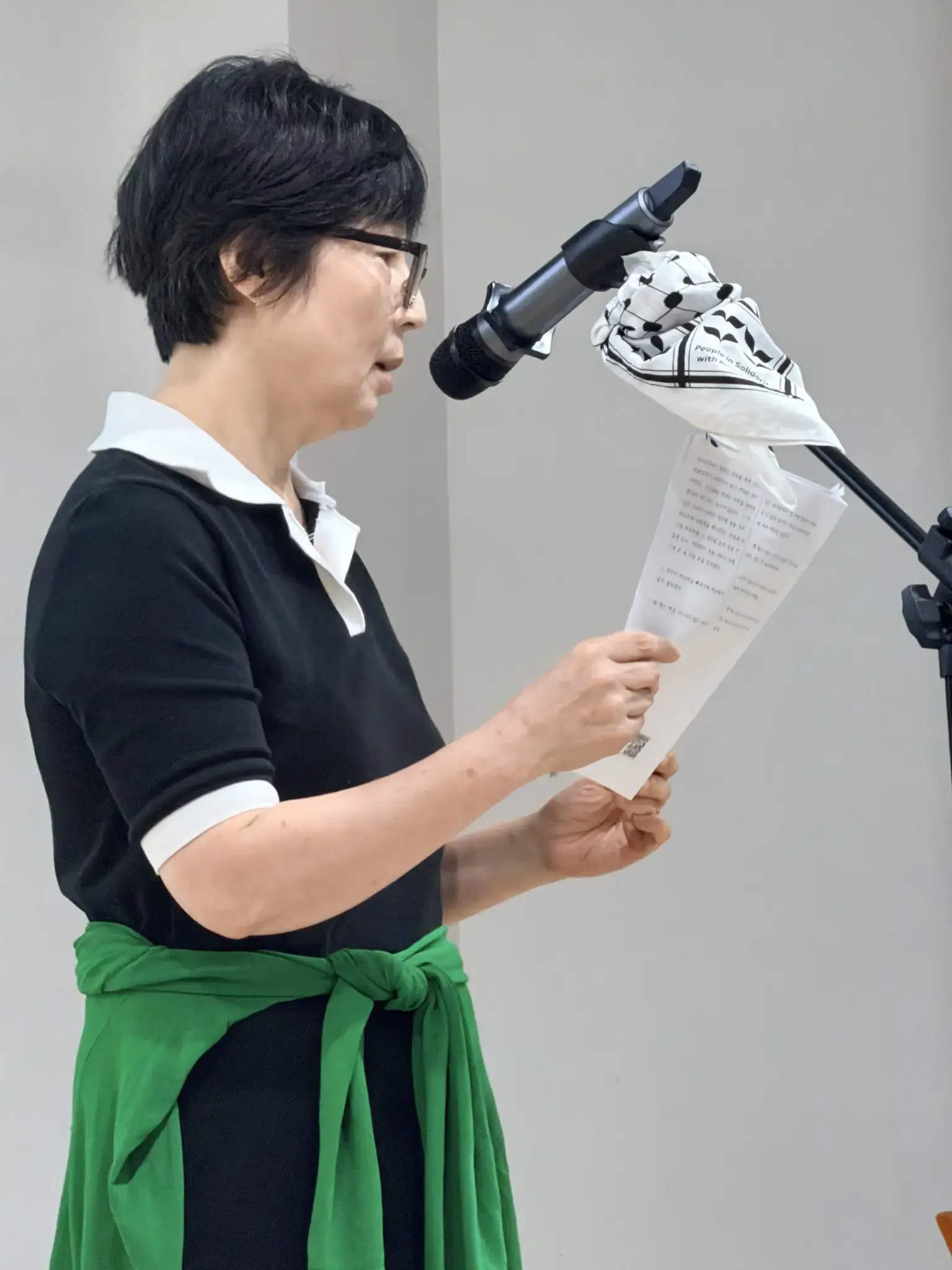
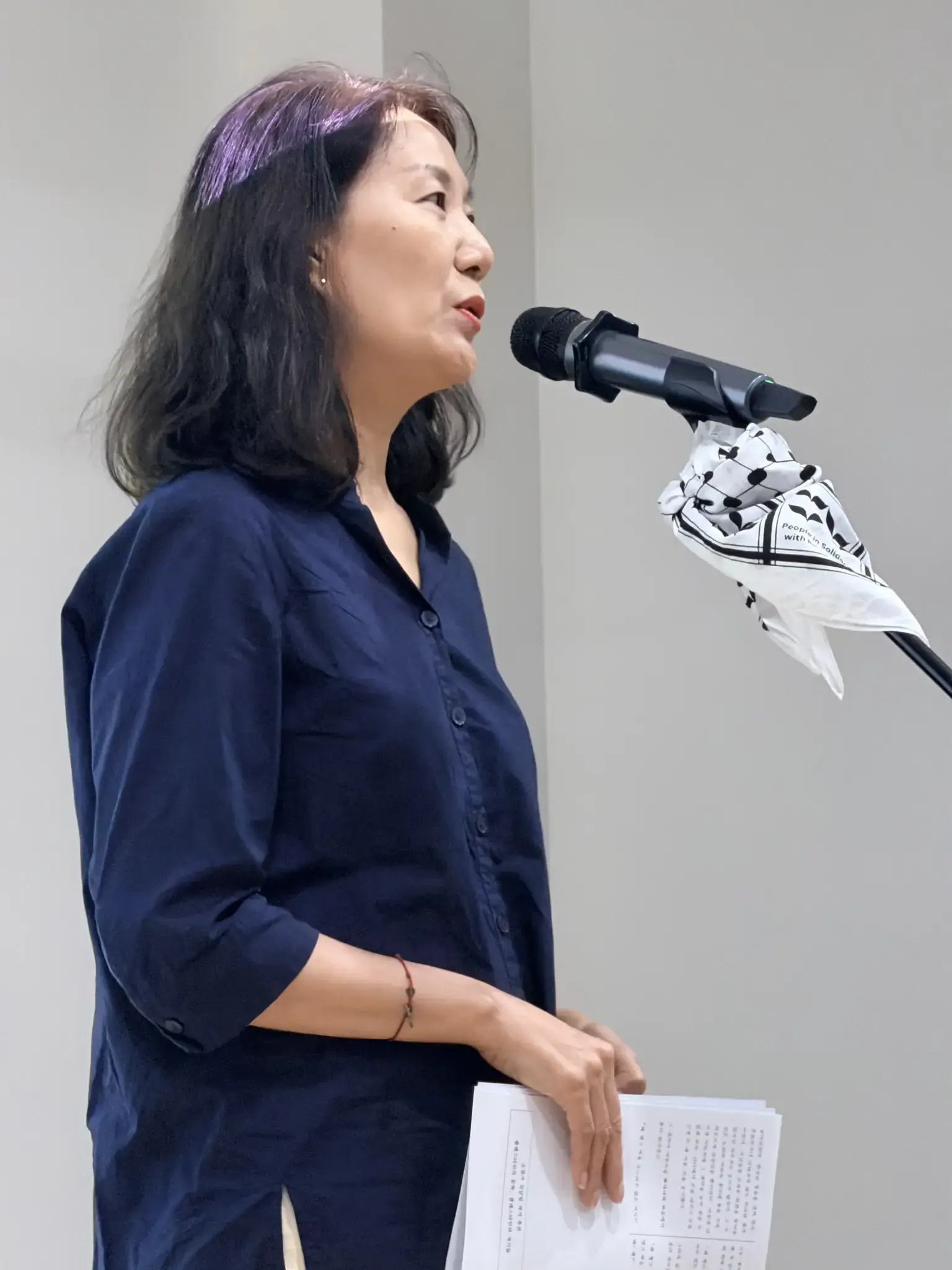
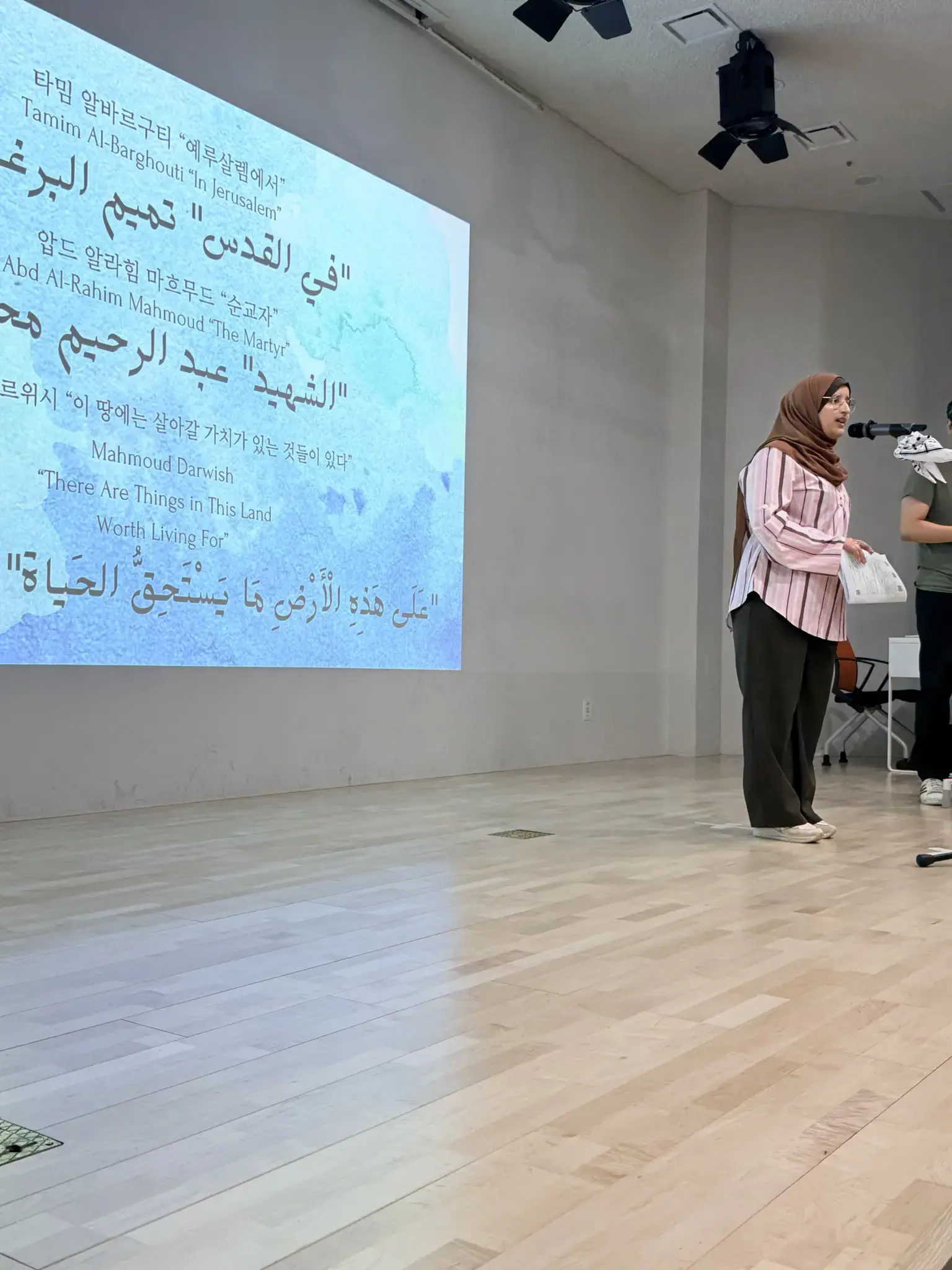
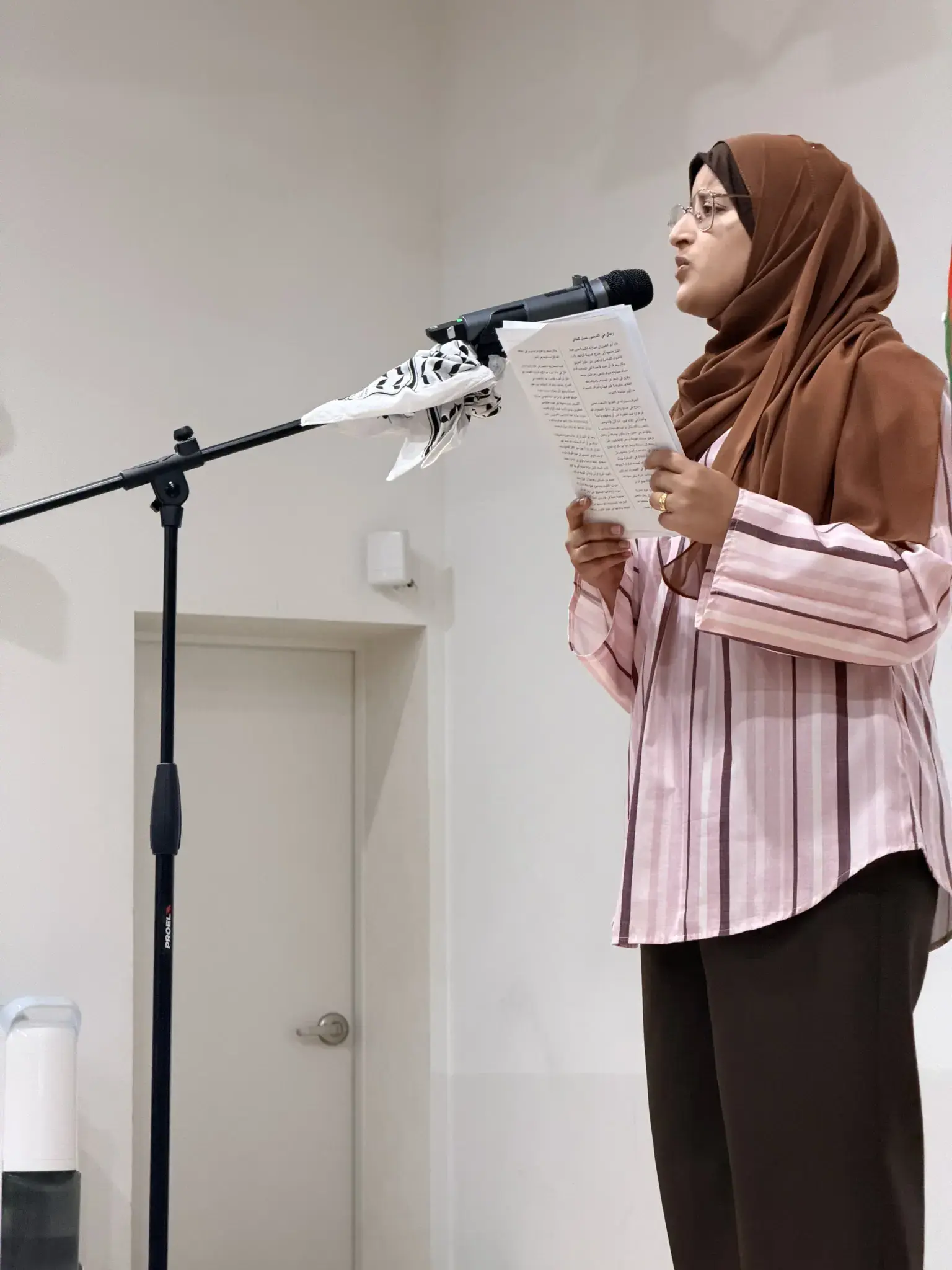
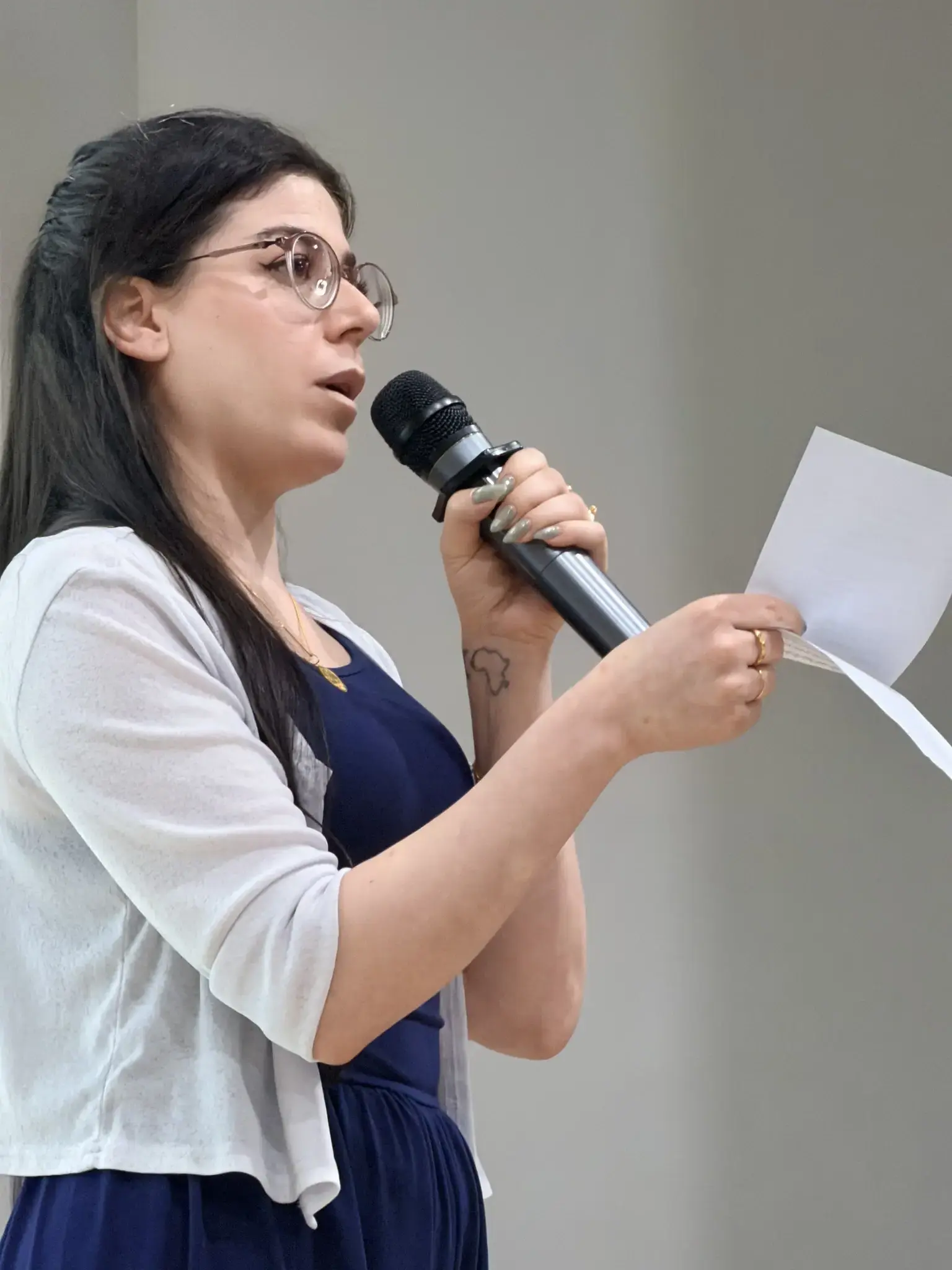
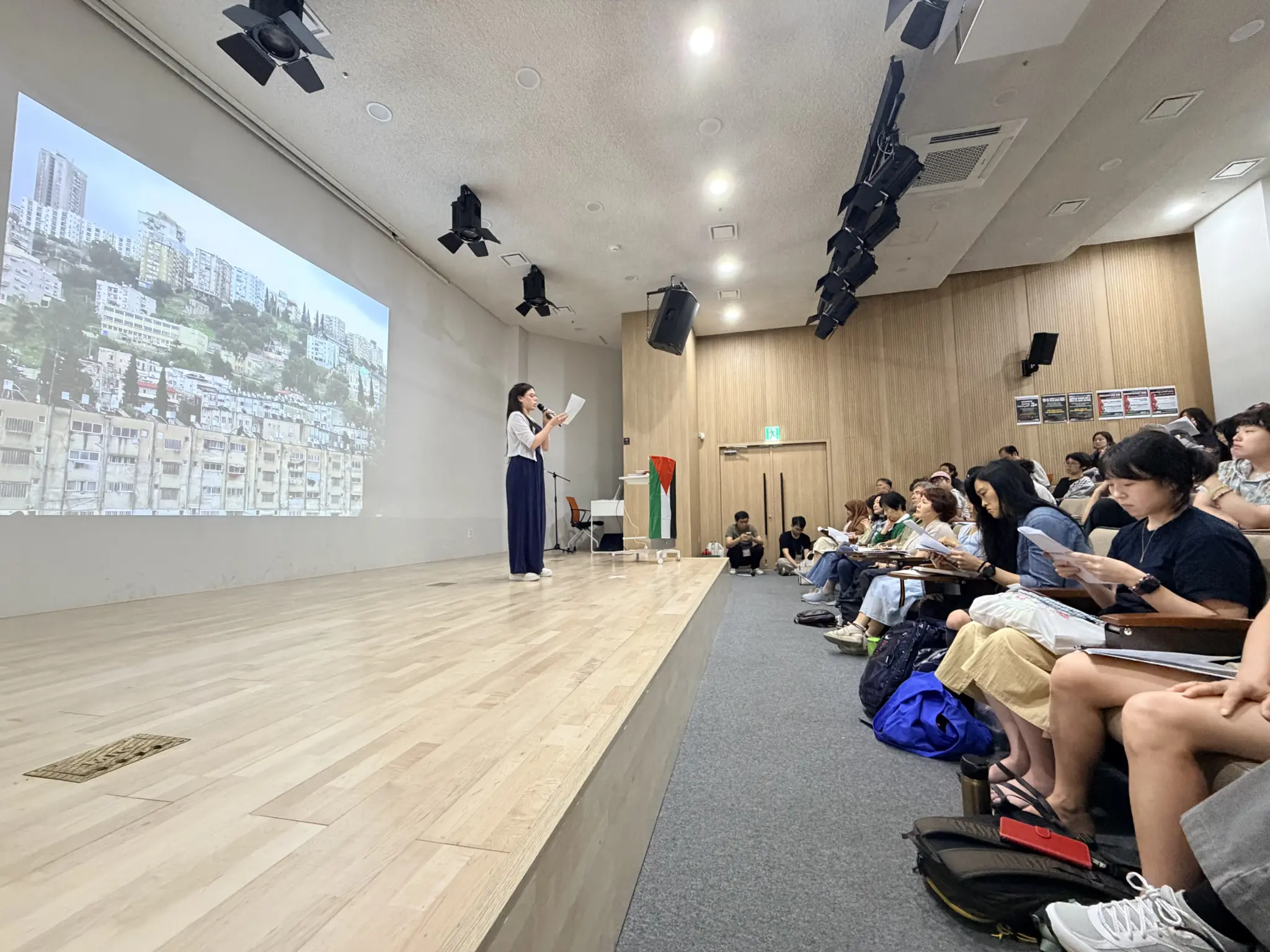
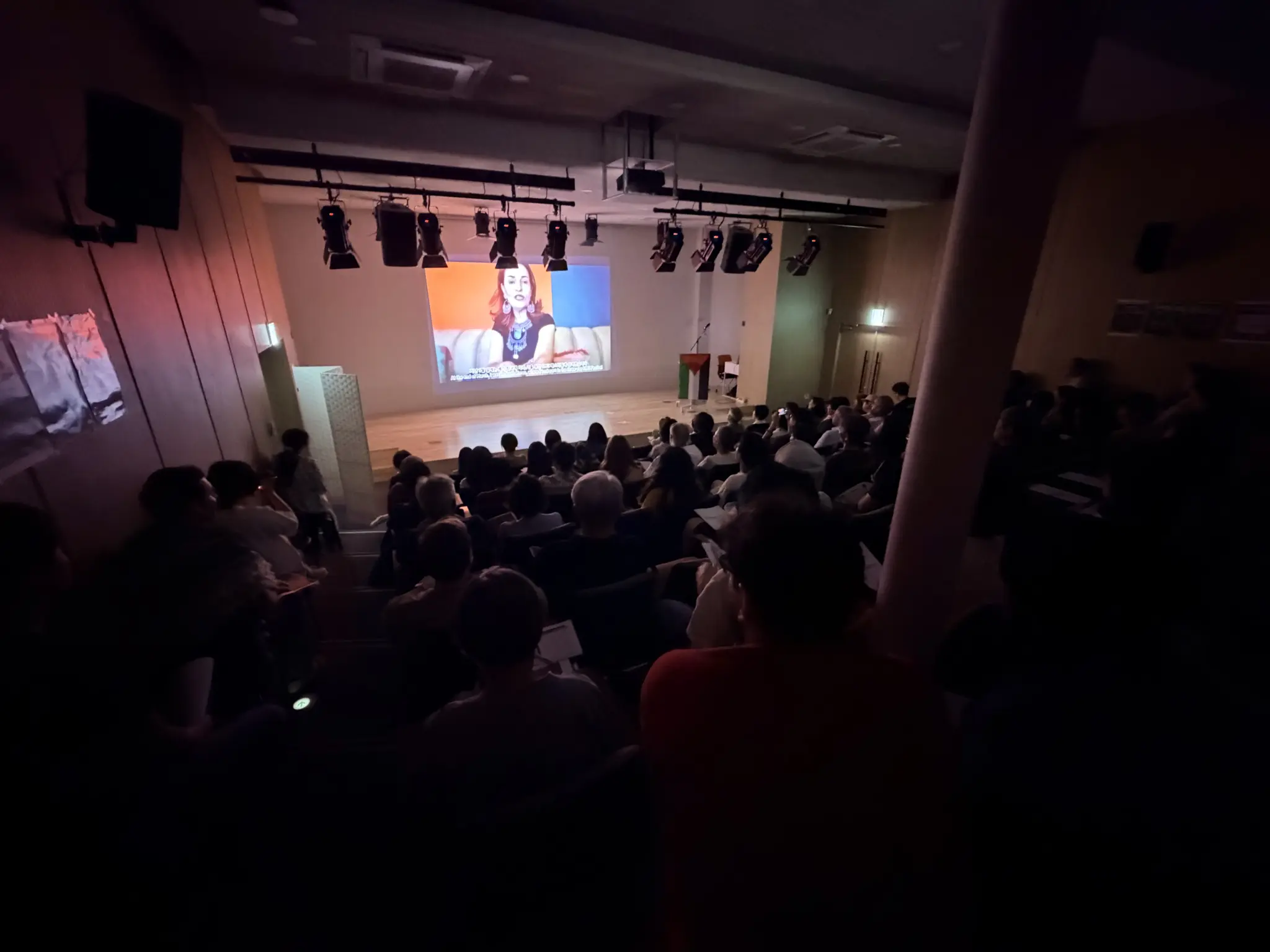
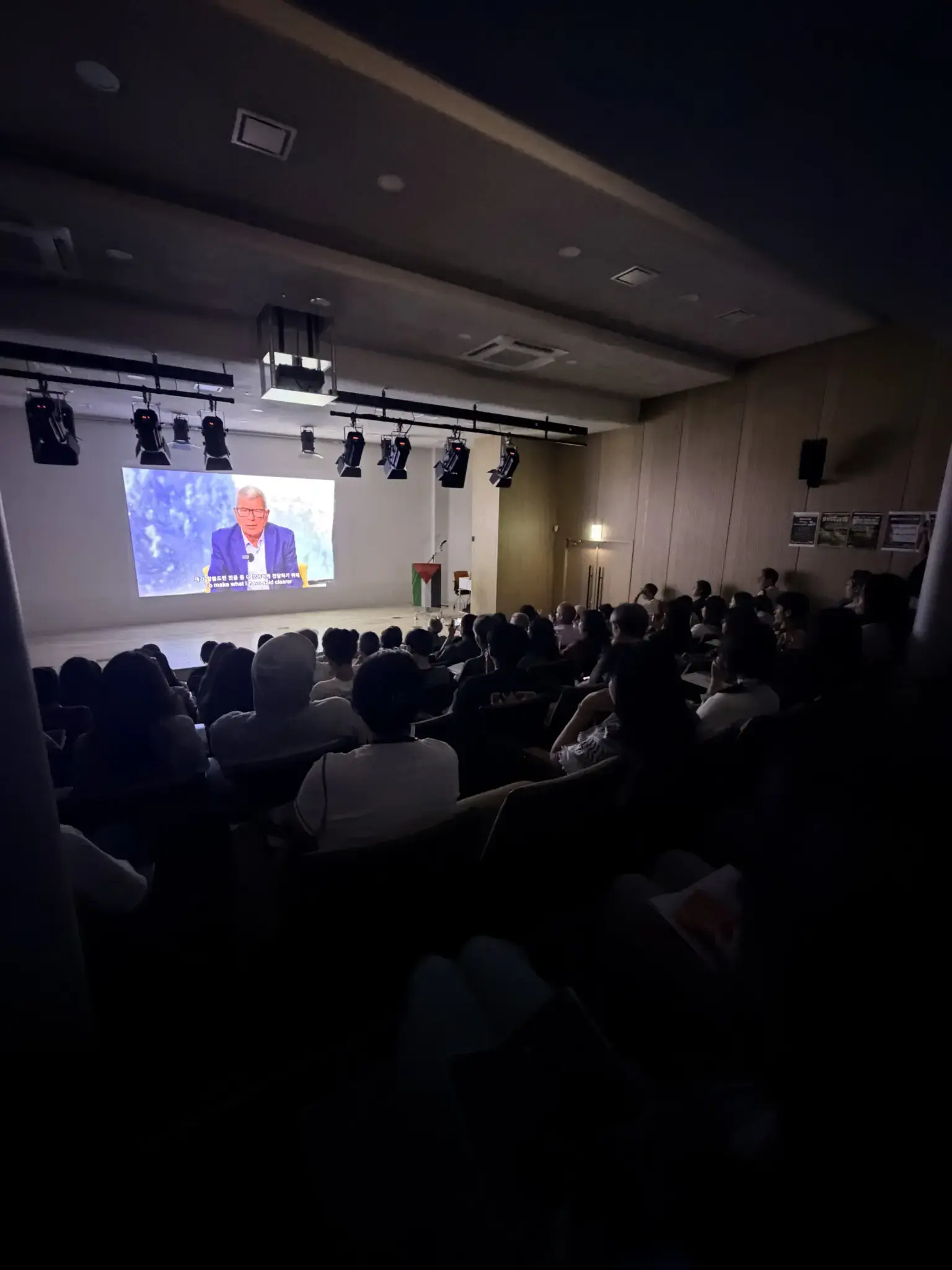
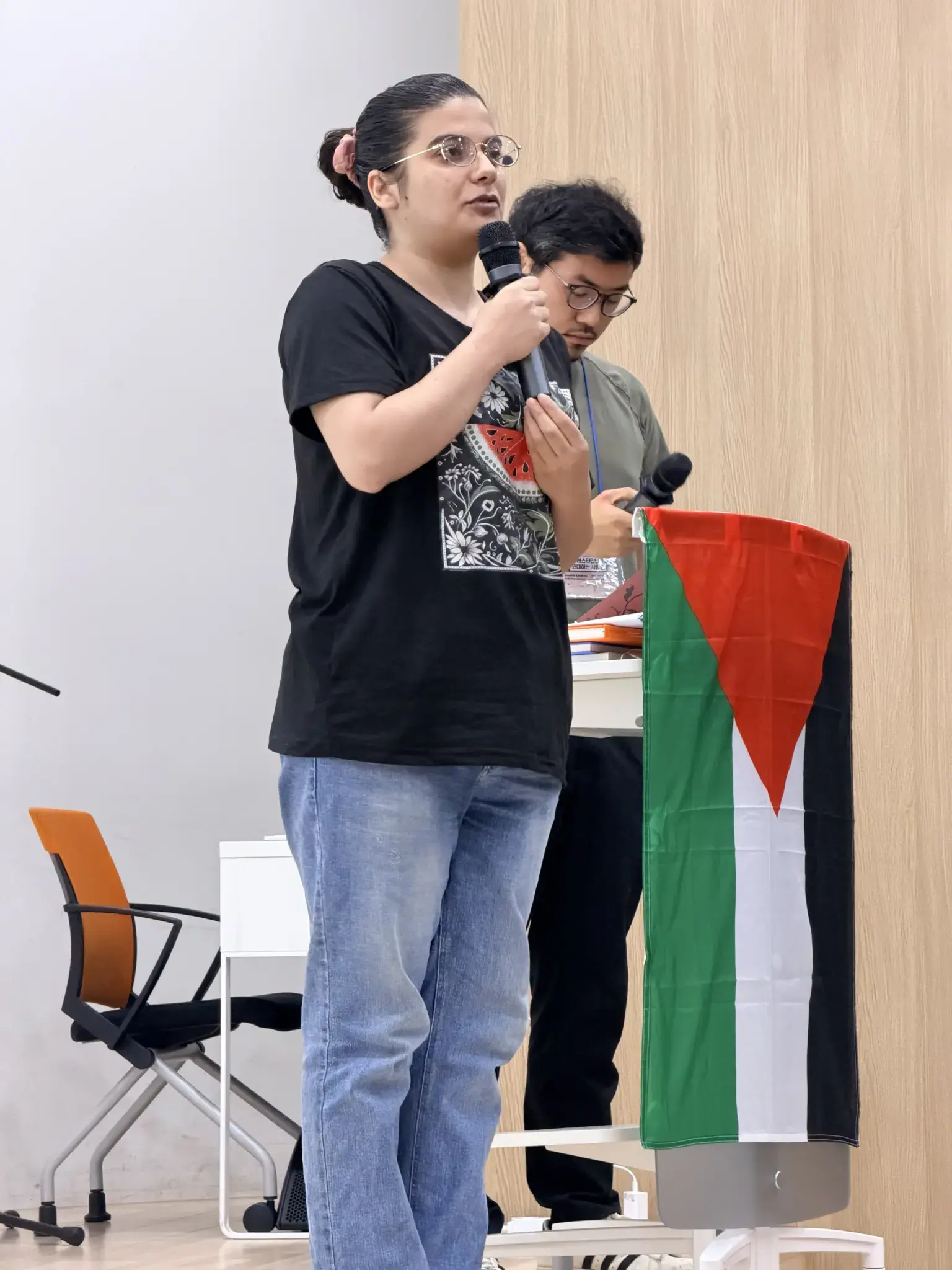
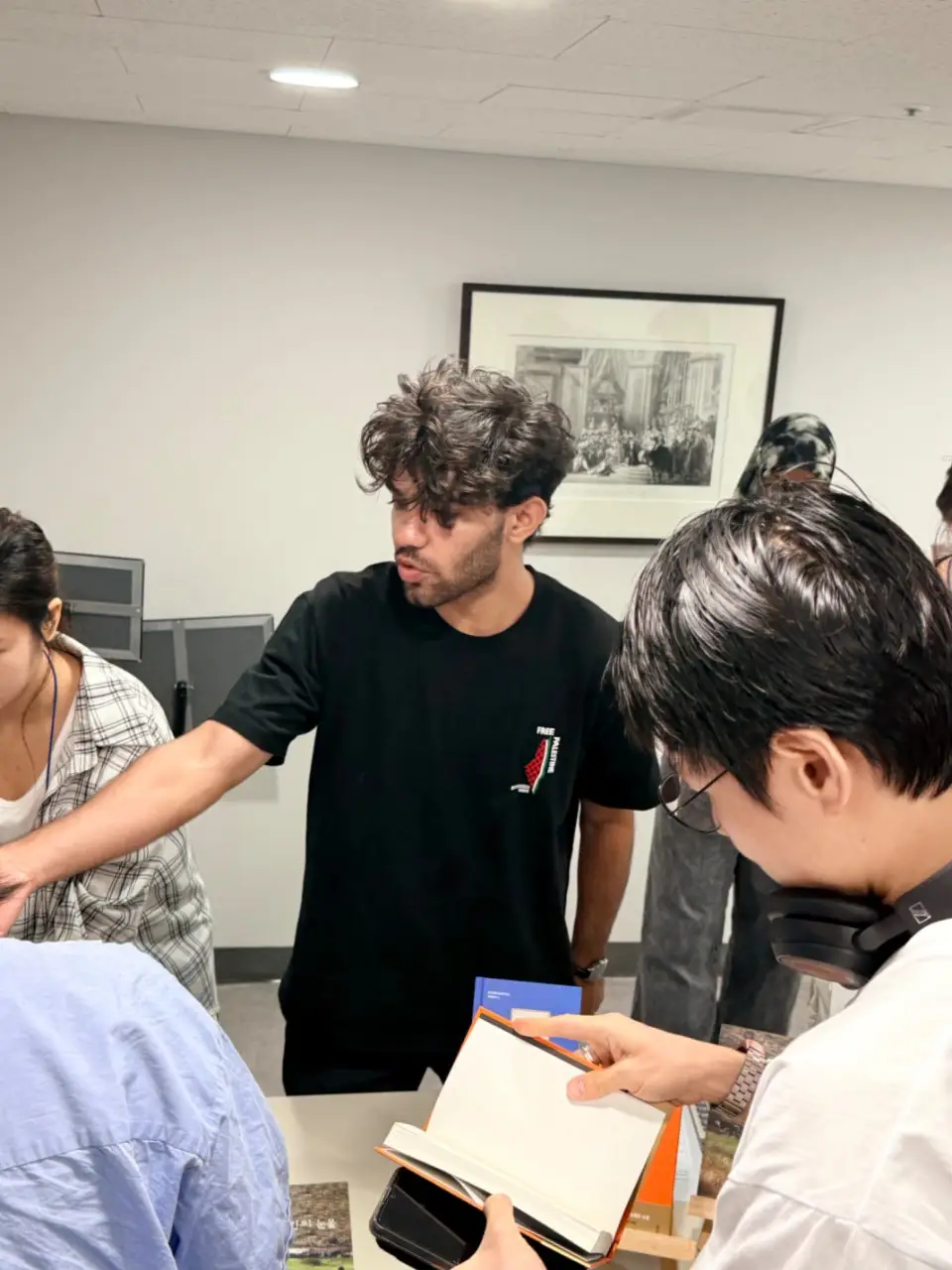
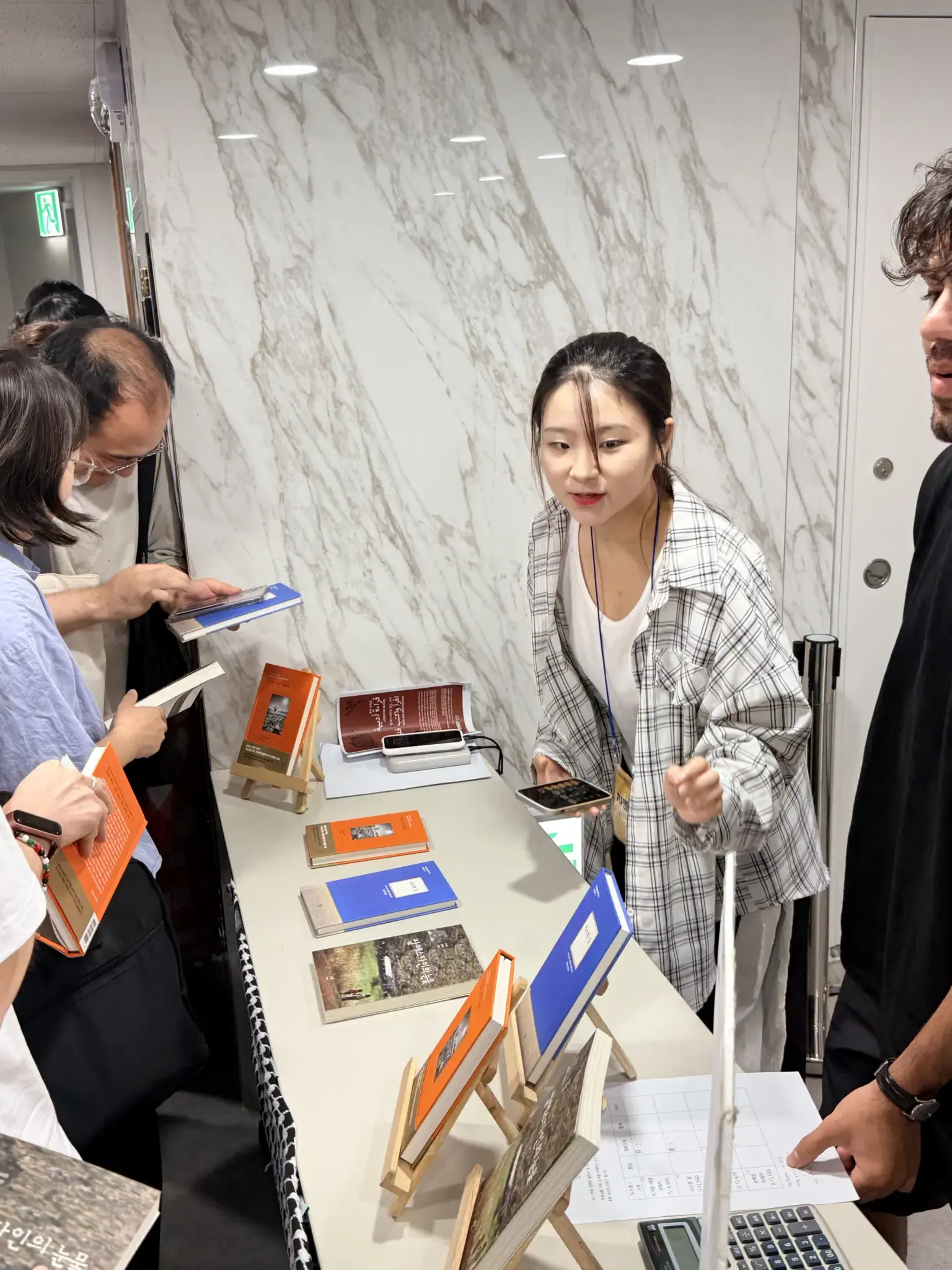
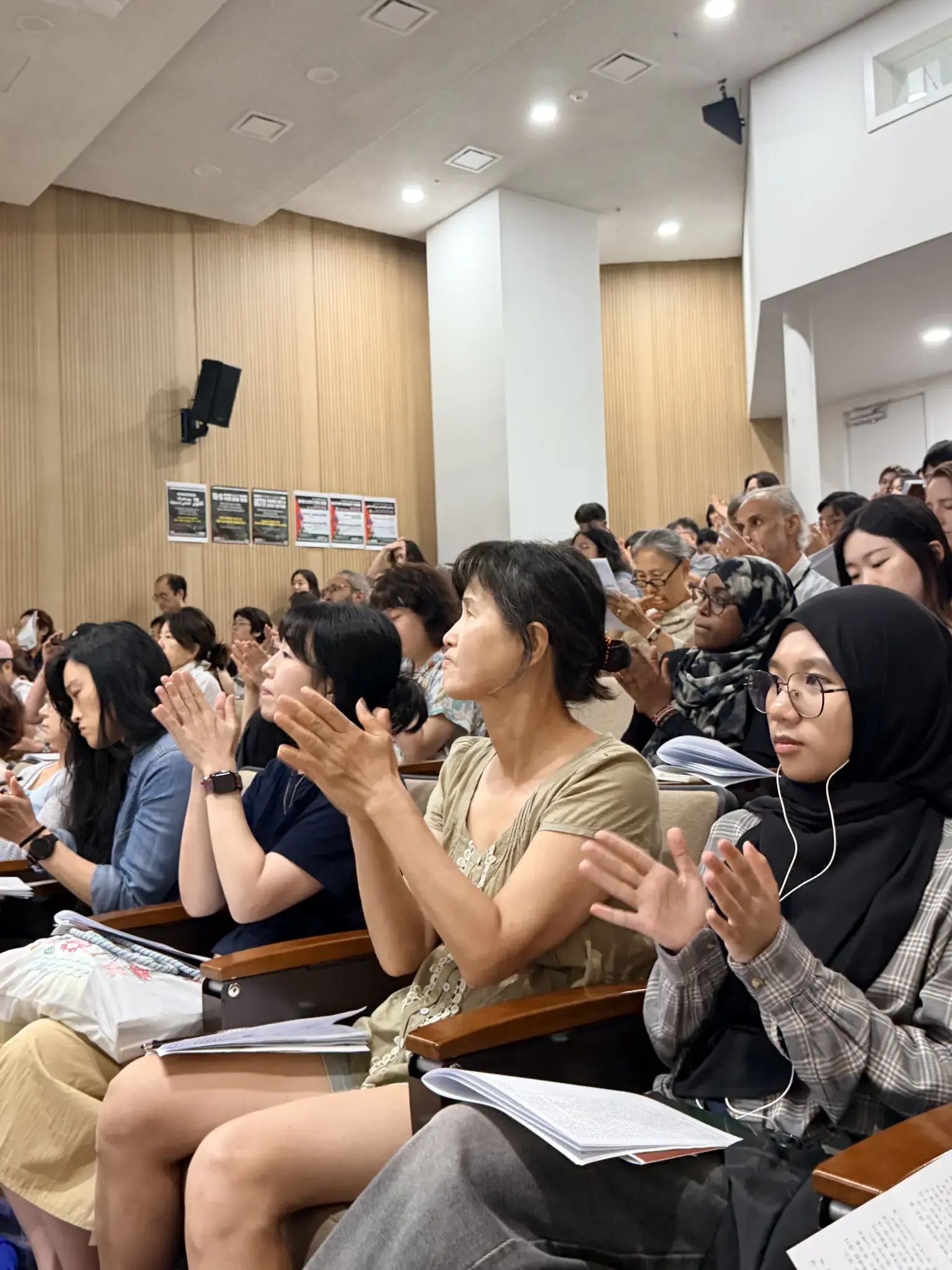
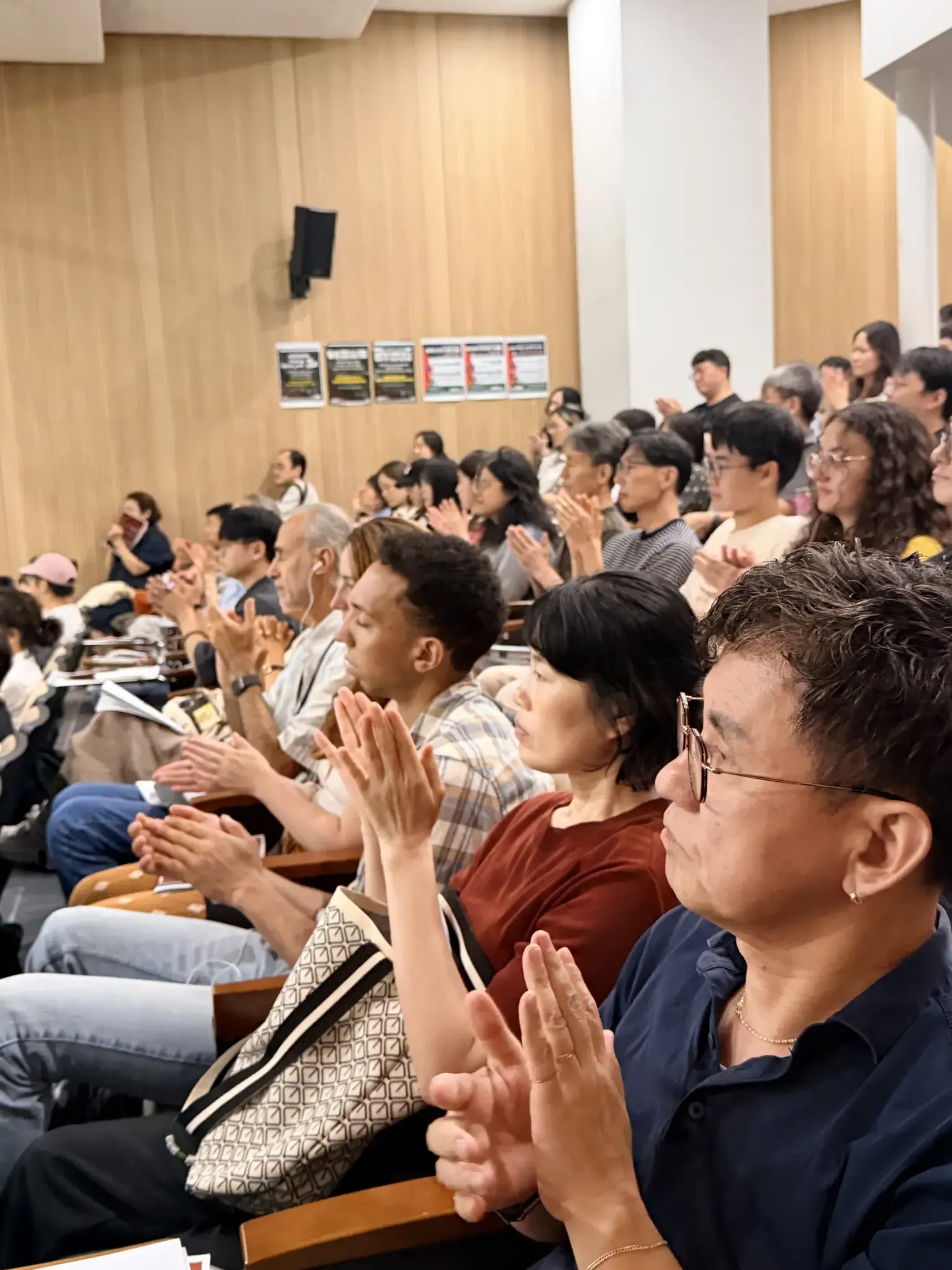
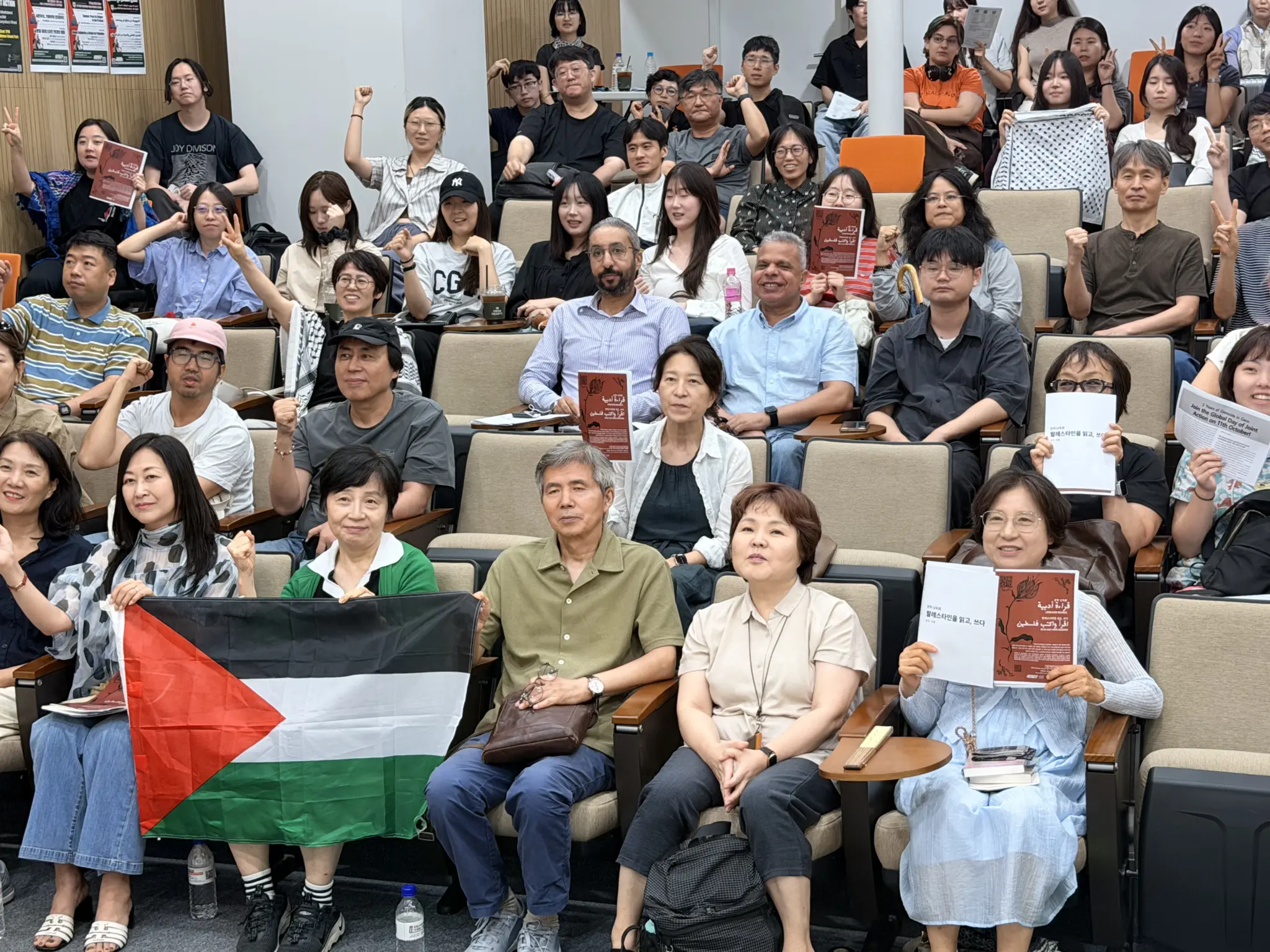
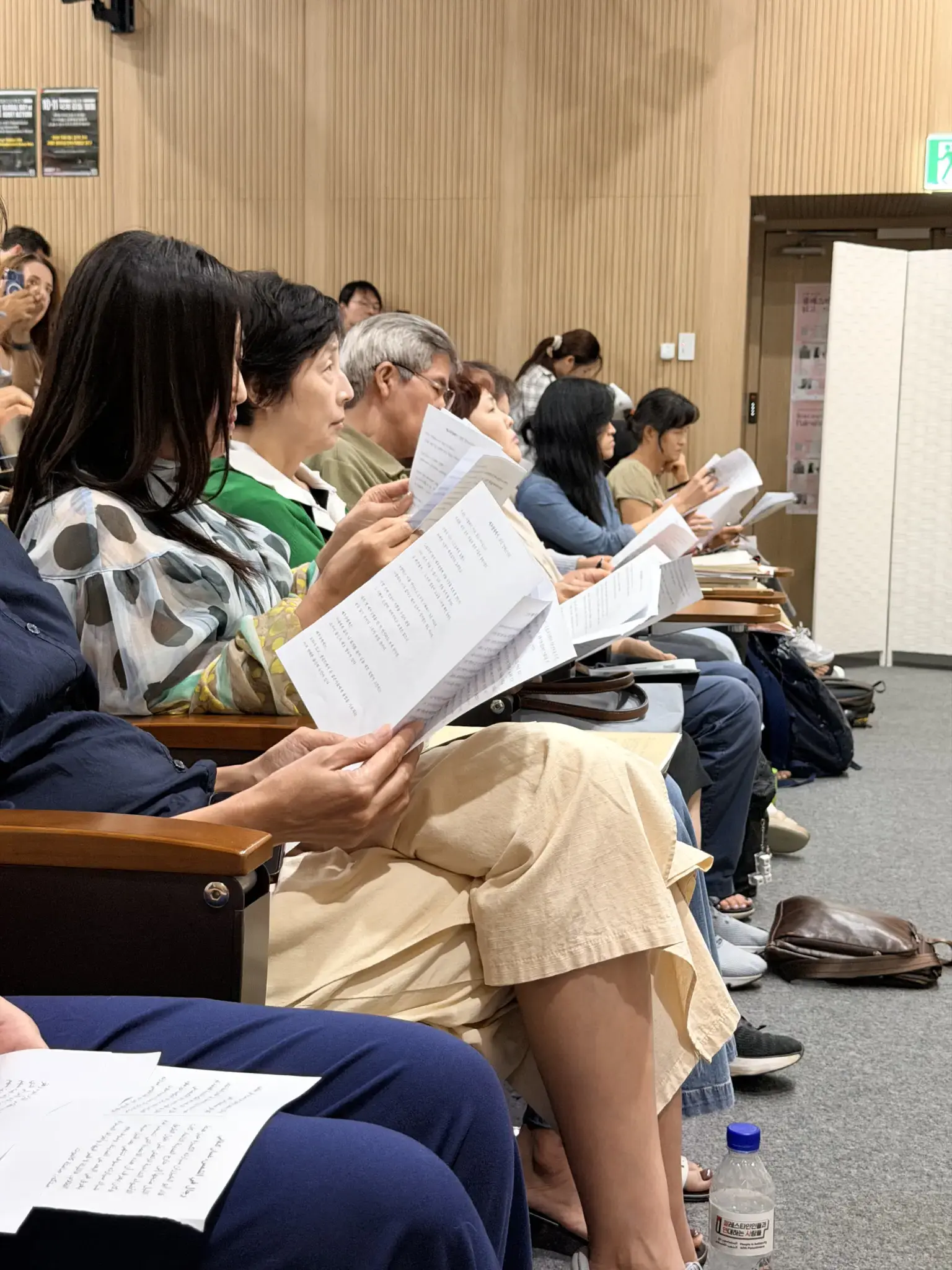
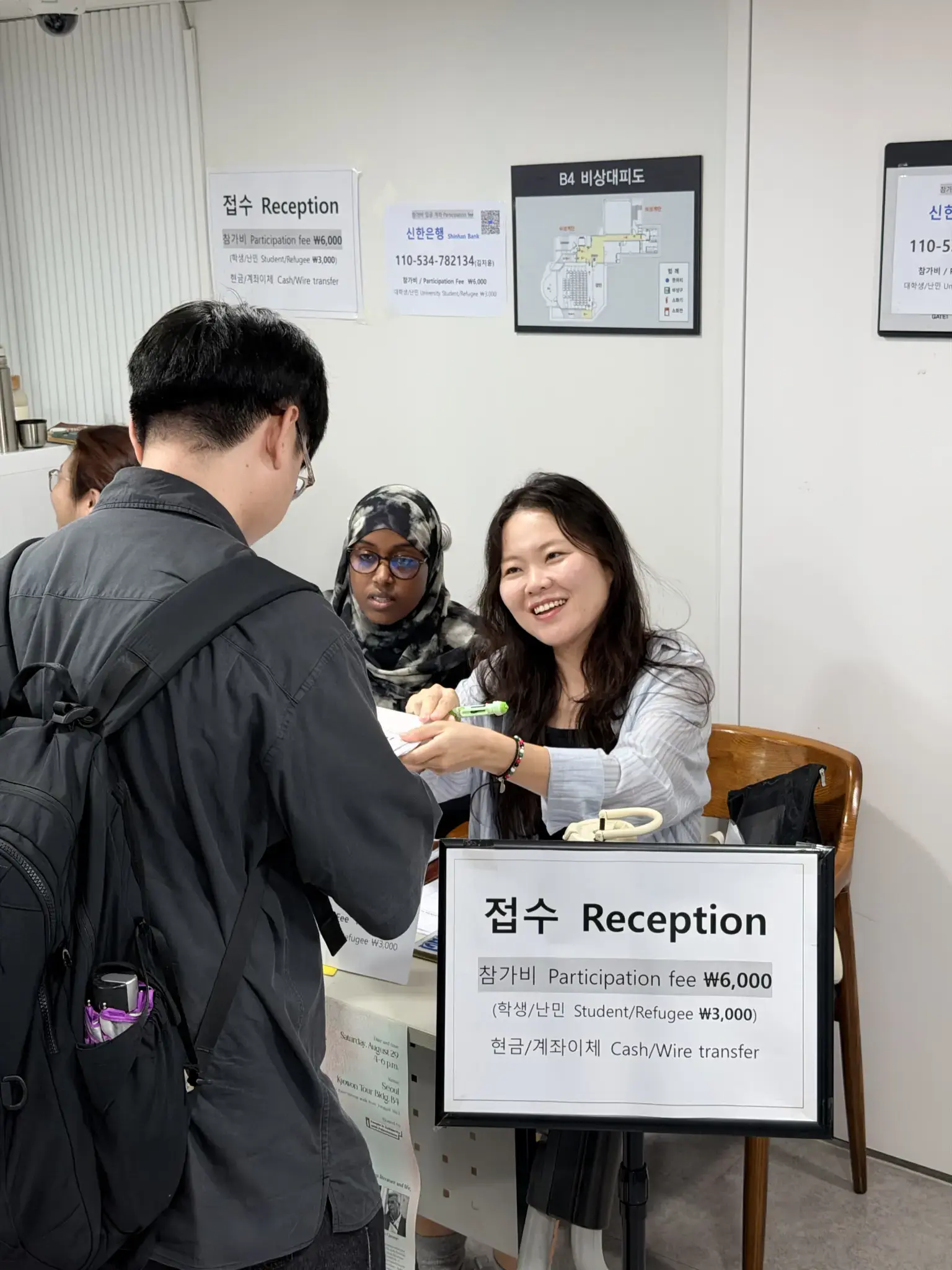
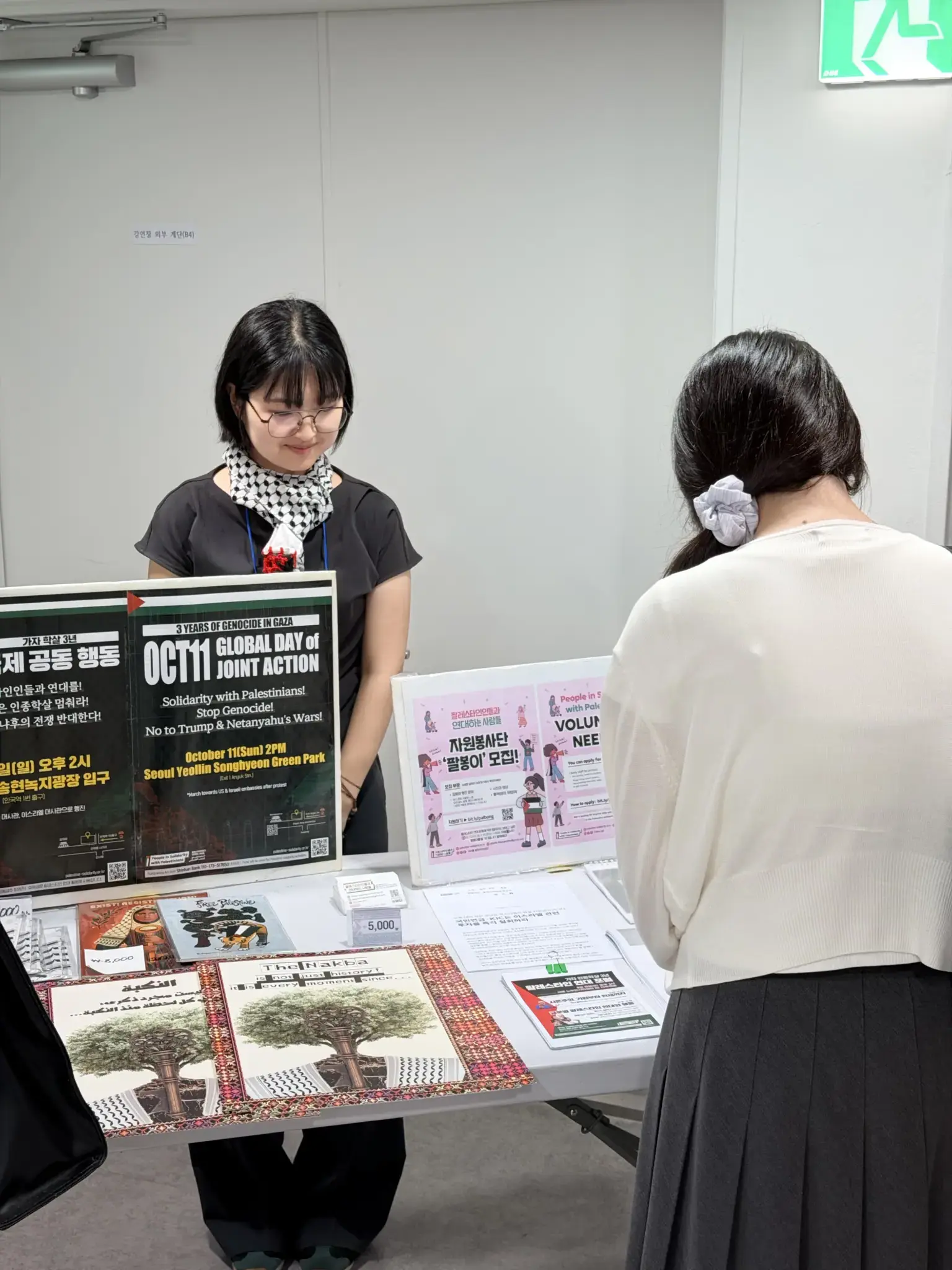
This page introduces the Korean and Palestinian writers who took part in “Literature Reading — Read and Write Palestine,” organized by People in Solidarity with Palestinians on August 29, 2026, along with the works they read and selected reference materials.
Participating Writers
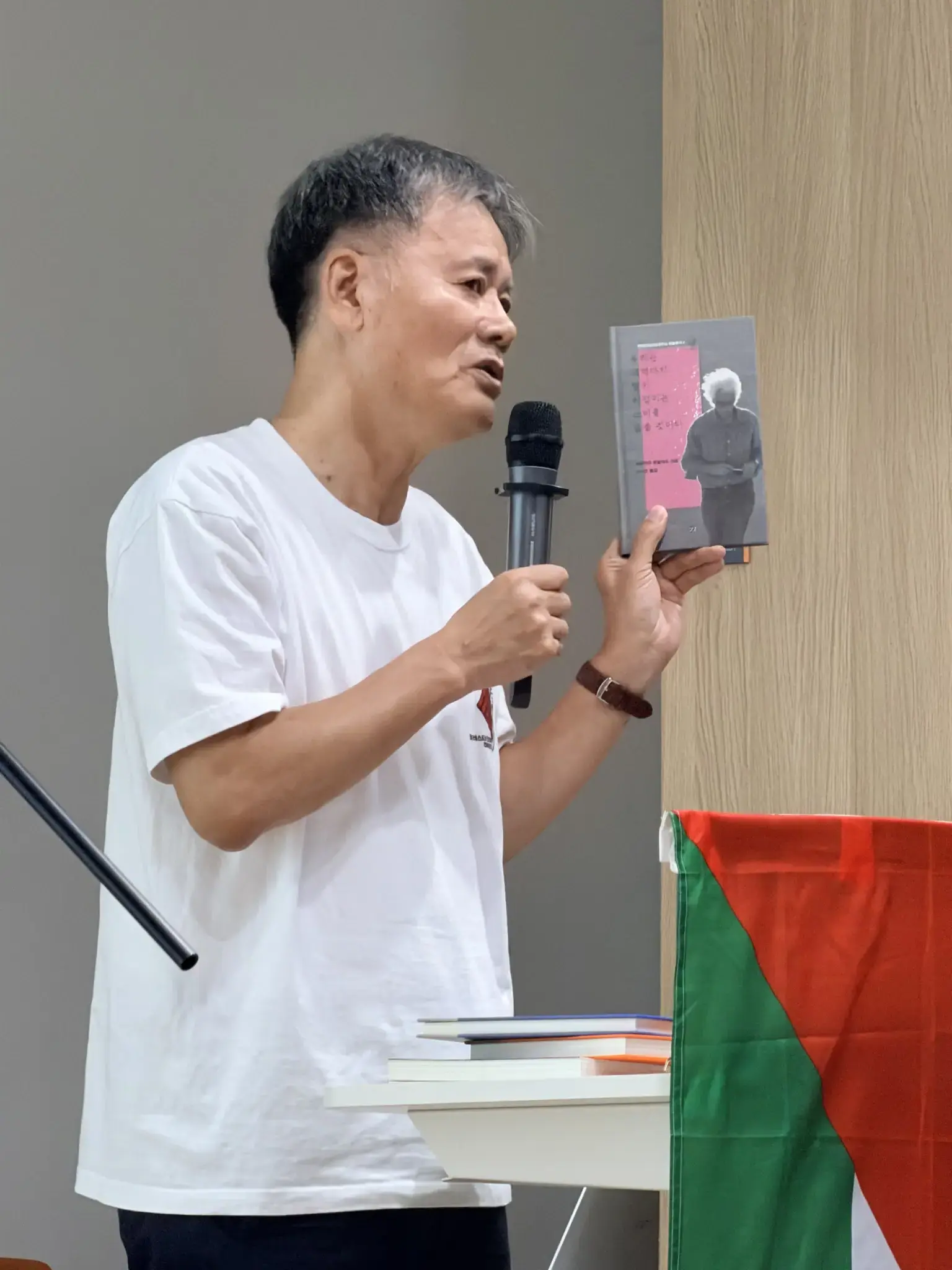
Kim Nam-il, Novelist · Moderator
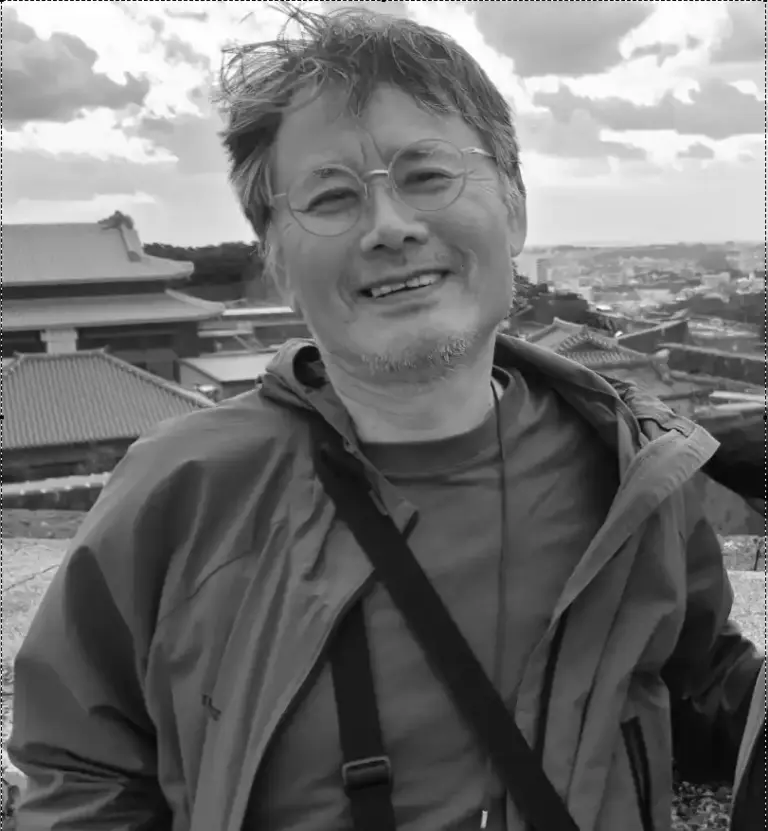
An award-winning novelist whose honors include the Jeon Tae-il Literary Award, Kim Nam-il has been at the forefront of a non-Western world literature movement connecting Vietnam and Palestine. Since the 2000s, he has been a pioneering figure in introducing Palestinian literature, including the works of Ghassan Kanafani, to Korean readers. He has led Palestine solidarity initiatives, including Bridge to Palestine, as well as the quarterly magazine Asia and the ALAA Forum. He currently runs Records and Memory, a Palestine reading and walking group for writers, continuing to forge paths of solidarity.
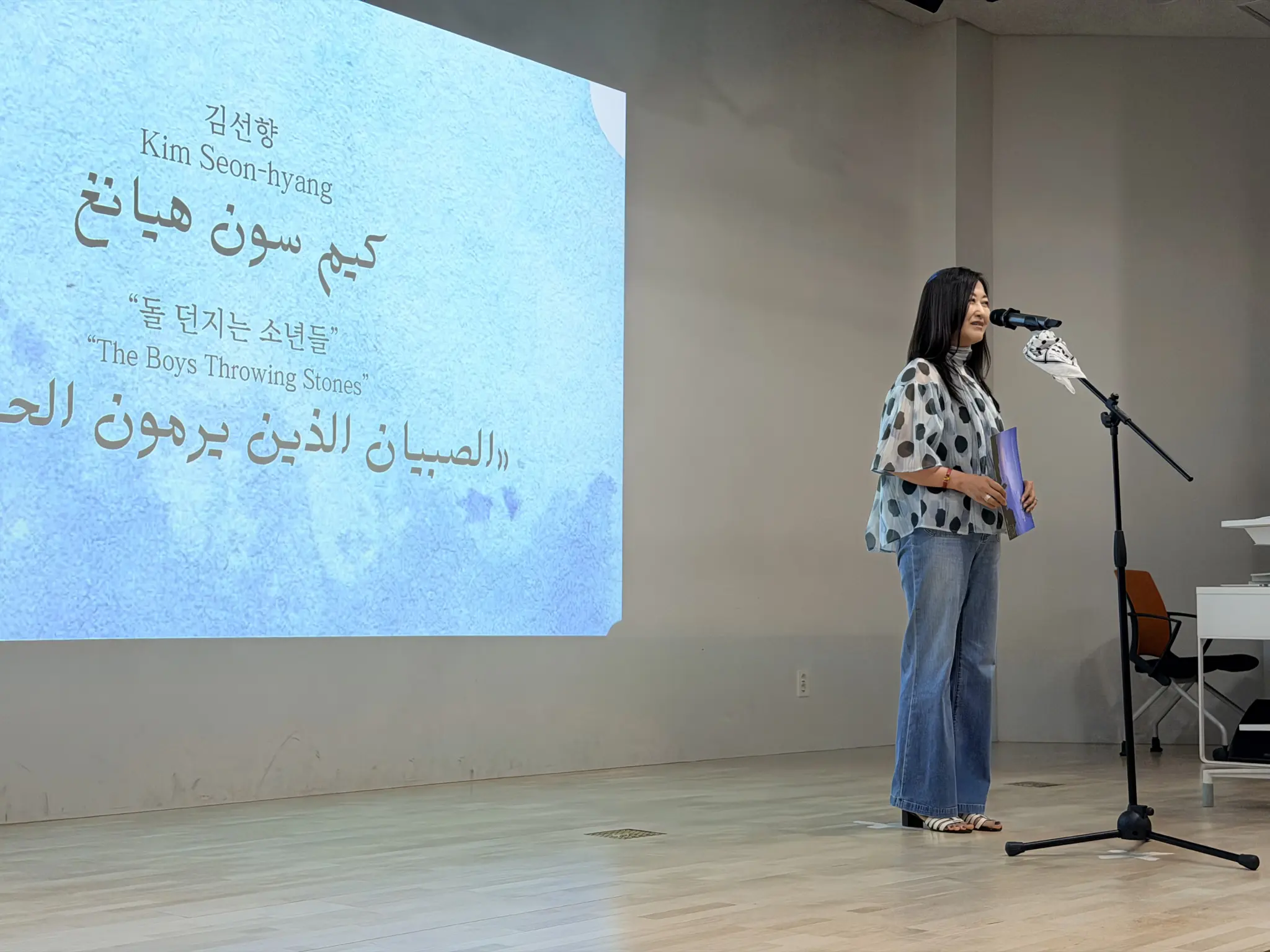
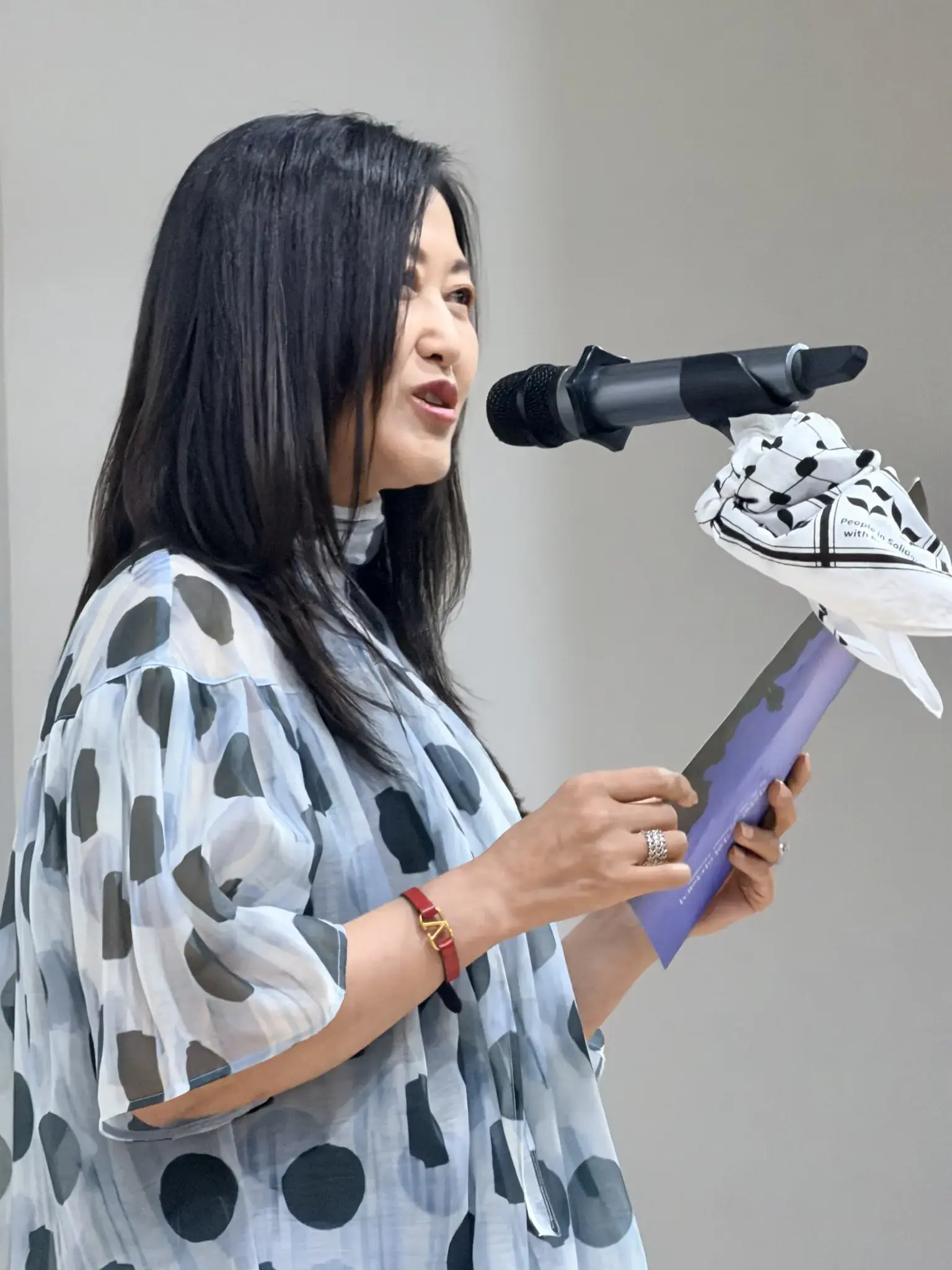
Kim Seon-hyang, Poet
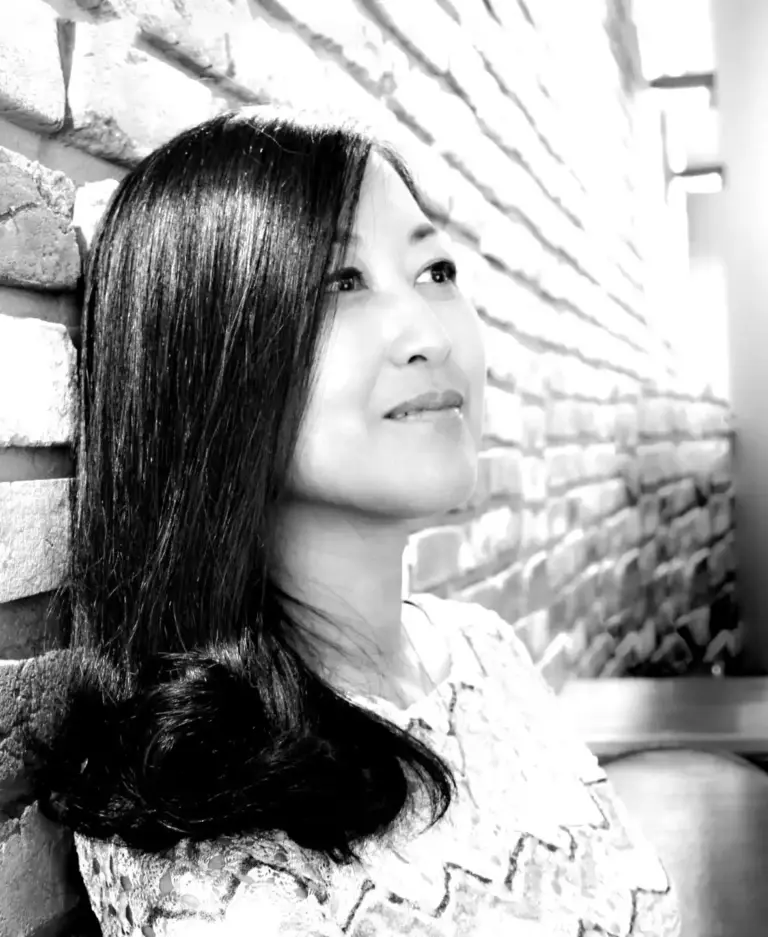
Since making her literary debut in the journal Silcheon Munhak (Literature of Praxis) in 2005, Kim Seon-hyang has directly confronted the social realities and gendered suffering experienced by migrant women, workers, and others. Through teaching international students and migrants, she has also personally taken on the role of an emotional and legal advocate for them. With an uncompromising spirit of freedom and resistance—captured in the phrase, “refusing to be tamed to the very end, until the cart is finally overturned”—she writes poetry drawn to lives that are neither conventionally beautiful nor given much attention. Through works including poems of solidarity with Palestine, she mourns and documents the tragedies and suffering of the marginalized.
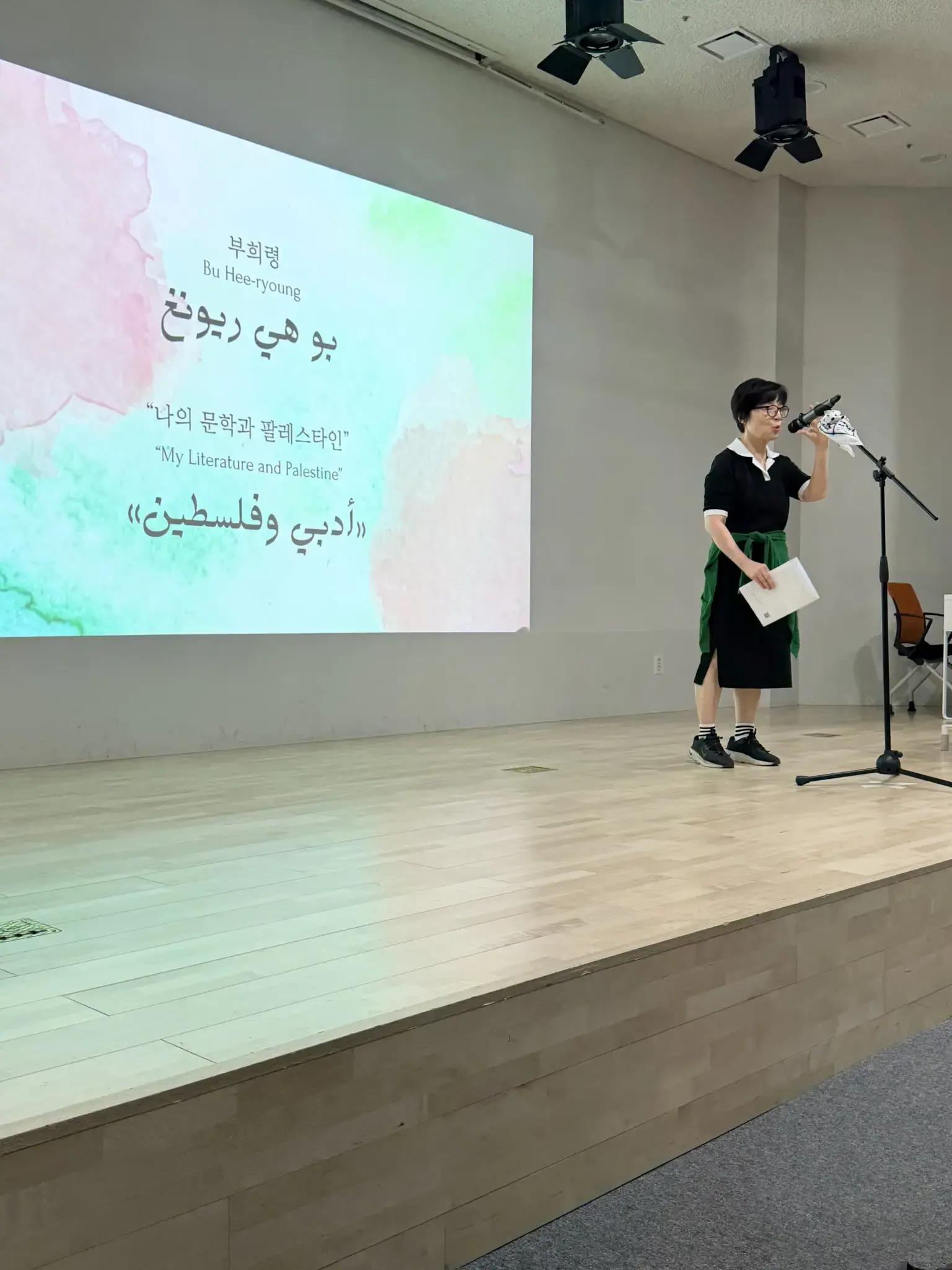
Bu Hee-ryoung, Novelist
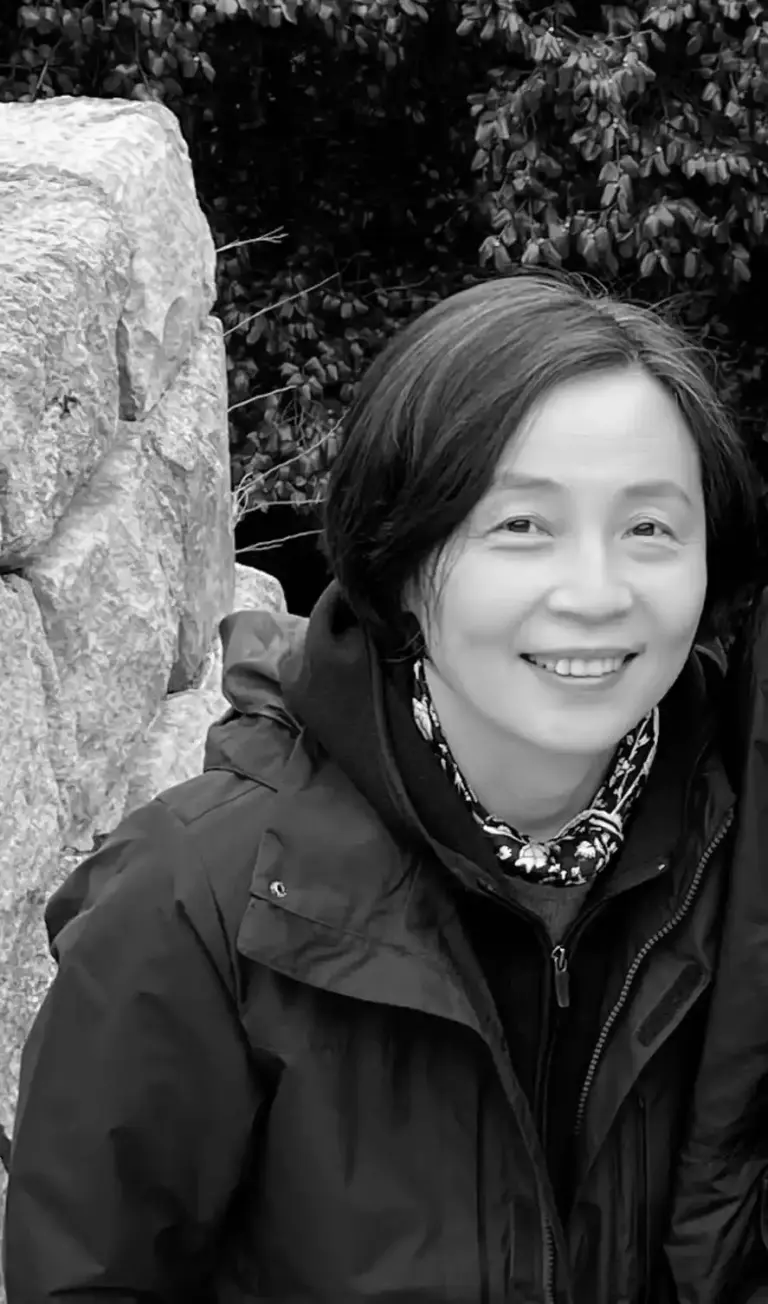
A writer who works both as a novelist and as a translator of acclaimed international literature, Bu Hee-ryoung has brought more than 80 books to readers. Her lucid prose reveals the dignity of life, guided by a tender gaze toward small and often overlooked beings. She has sustained literary exchanges across borders, including participating in a public conversation with Palestinian novelist Adania Shibli during Shibli’s visit to Korea. Her work sensitively captures the dignity of small and innocent lives that must survive even amid the tragic realities of war and displacement.
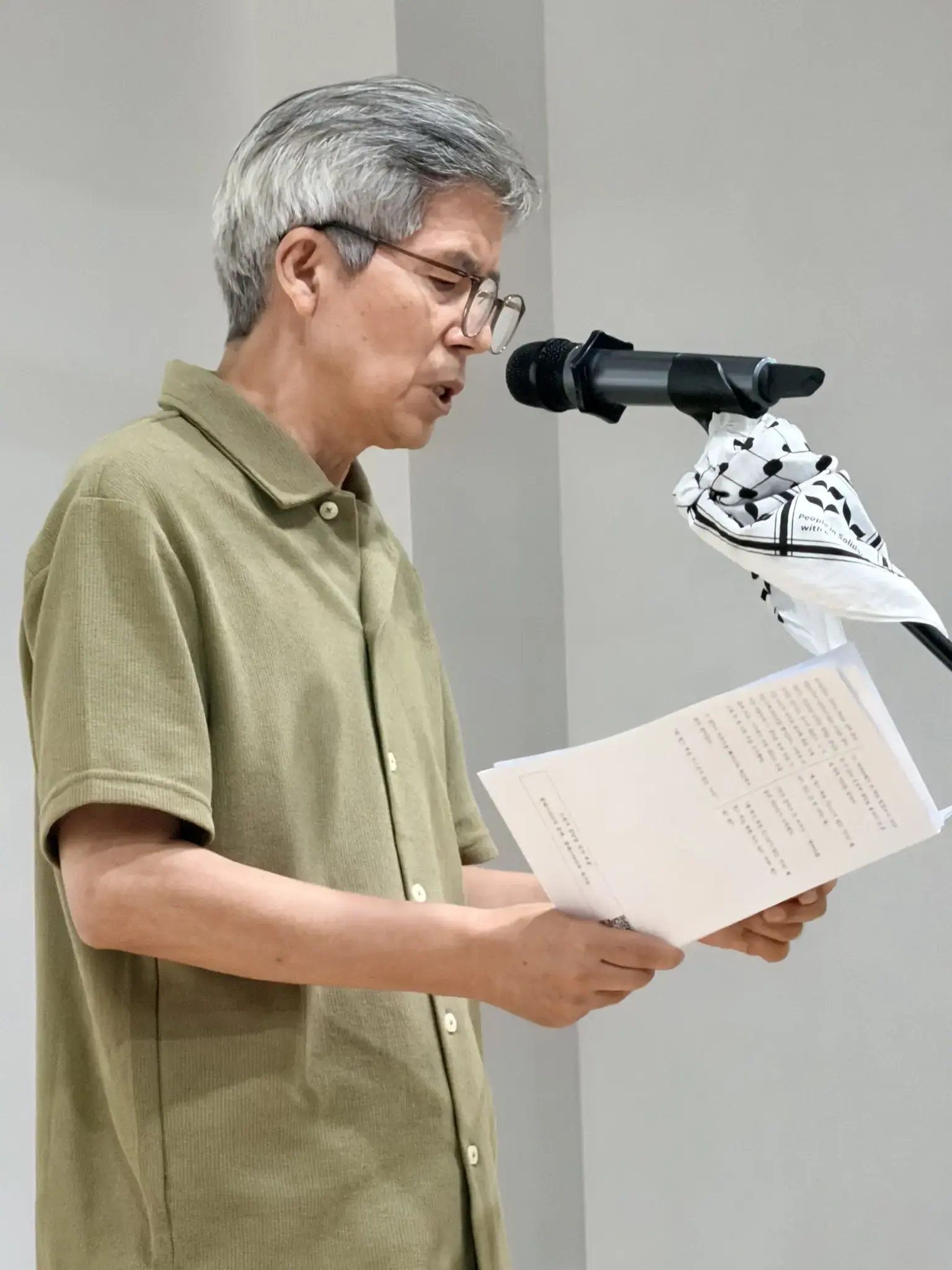
Park Cheol, Poet
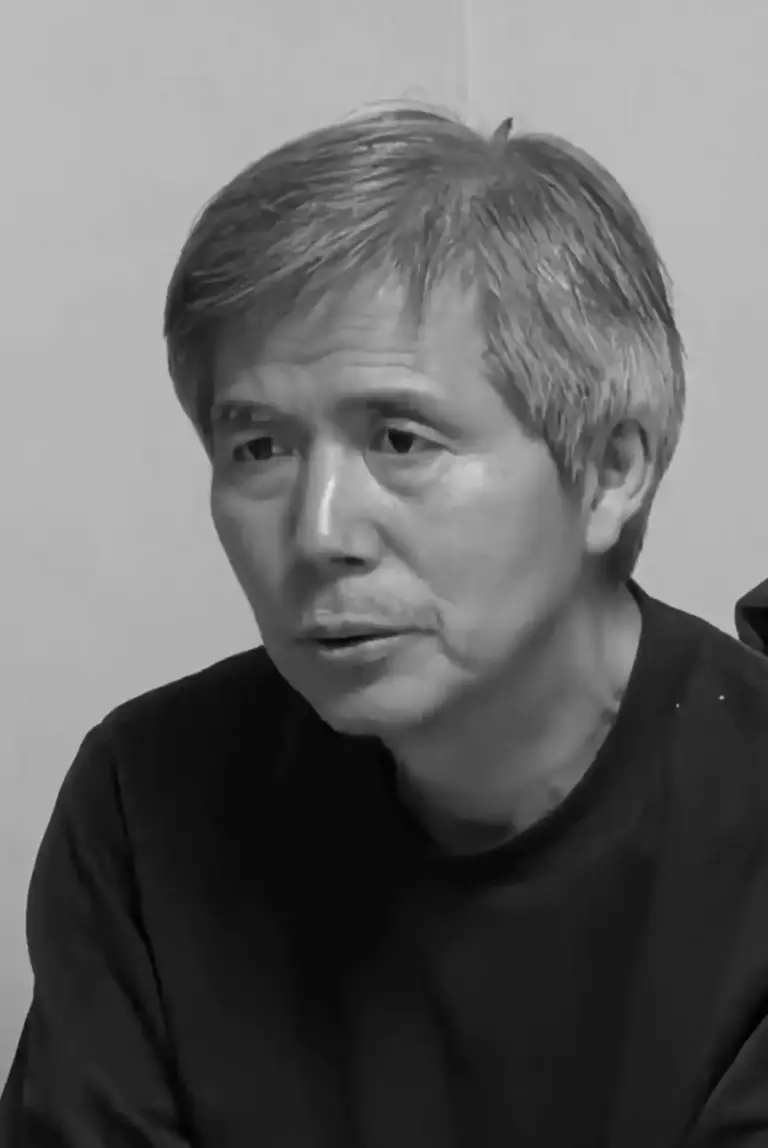
Since making his literary debut in 1987, Park Cheol has written poetry about harsh realities and the lives of ordinary people living in poverty, giving them voice through a language of warmth and hope. He remains committed to the principle of communicating with the world solely through his poetry. A recipient of honors including the Yi Yuk-sa Poetry Award, he has rigorously explored the realities of a divided nation and the spirit of solidarity among ordinary people. Through his compassionate attention to those living in the shadows and on the margins, he transforms the sorrows of the world through optimism and vitality.
Lee Kyung-ran, Novelist
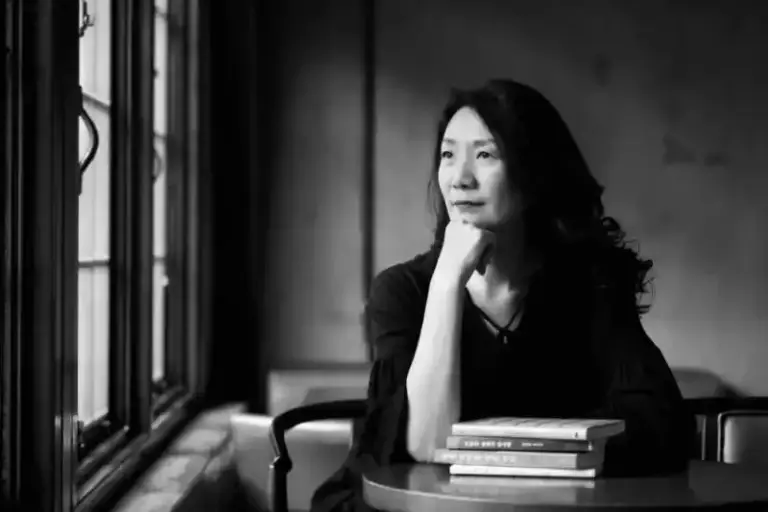
Since making her literary debut in 2018, Lee Kyung-ran has closely examined the struggle for survival among marginalized people and the bonds of solidarity formed through compassionate care. Through evocative prose and meticulous research, she confronts realities such as poverty and youth unemployment. In discussing Adania Shibli’s Minor Detail, she has forcefully argued that the tragedy in Gaza is not someone else’s distant concern. Guided by her conviction that “writers must naturally pay attention to marginalized minorities,” she responds deeply to the suffering of others.
Issa Qaraqe
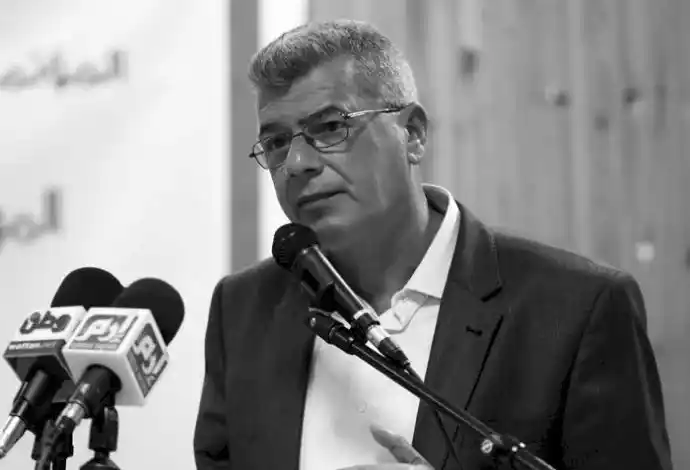
A former Palestinian Minister of Prisoners’ Affairs and former head of the Palestinian National Library, Issa Qaraje is a prominent chronicler and critic of Palestinian prison literature. Drawing on his own experience of being detained more than ten times over a period of twelve years, he bears direct witness to Israeli torture and the realities of occupation. His work reframes refugees and prisoners not simply as victims, but as “agents who shape national struggle and identity.” Even amid the devastation in Gaza, he continues his literary solidarity and resistance, affirming that “those who write are never defeated.”
Ahlam Bsharat
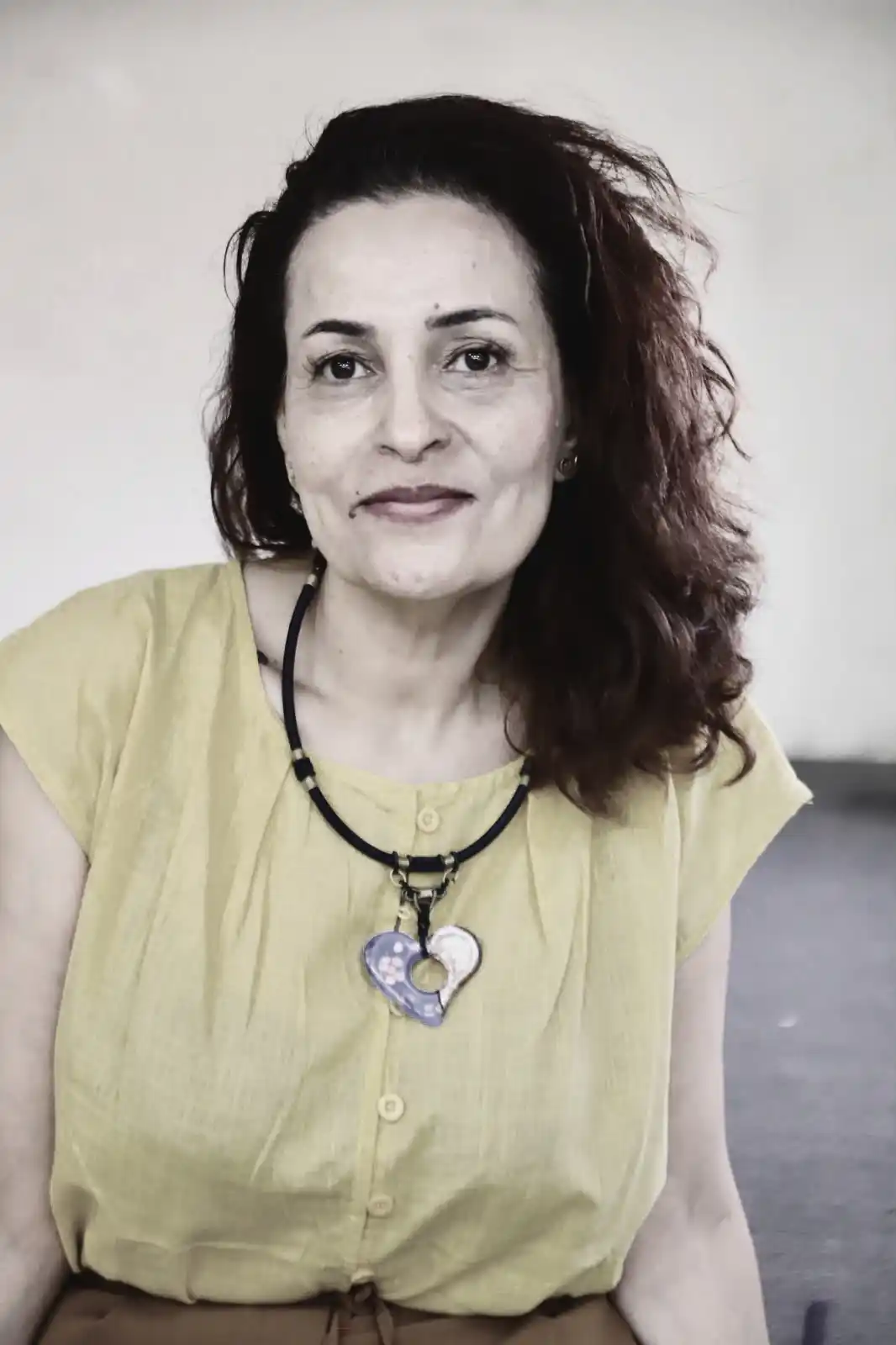
Ahlam Bsharat is a Palestinian writer and poet, and a leading Arab author of young adult fiction and children’s picture books. Her recently published A Field’s Biography is a series about wild plants growing in the Palestinian landscape. The work explores the reality in which the Israeli occupation seeks to appropriate not only the land on which these plants grow, but even the plants themselves.
Isaa Qaraqe, Online Special Remarks
Ahlam Bsharat, “We Gather to Shake the Boundaries, as Much as We Can”
Works Read
Title: Boys Throwing Stones | Author: Kim Seon-hyang | Read by: Poet Kim Seon-hyang
Boys Throwing Stones
Kim Seon-hyang
It was three in the afternoon
We were throwing stones
All of a sudden, armed soldiers
started shooting
One bullet in my back
one bullet in my stomach
Dragging me by the legs as I lay fallen
somewhere, they said
Your mother’s a whore, you son of a bitch!
(By the way, my name is Rifat. I’m seventeen.)
My insides began to spill out of my stomach
When I opened my eyes, I was at Al-Shifa Hospital in Gaza City
I guess a UN ambulance passing by happened to save me
I walk with a limp
Do my friends make fun of me?
Not at all, they say they respect me
My girlfriend was shot in both eyes, after all
Sometimes I fall into despair and cry
then shake my head hard and laugh
Have I really become a hero?
Title: My Literature and Palestine | Author: Bu Hee-ryeong | Read by: Novelist Bu Hee-ryeong
My Literature and Palestine
Bu Hee-ryeong
The Nobel Prize-winning American writer Toni Morrison said that writers should not steal something from living beings—trees, butterflies, human beings—in order to write books. She said that such a thing is what succubi do: seducing humans in sweet dreams and draining away the essence of their lives. Everyone has ownership and patent rights over their own life, she said, so doing so is akin to copyright infringement. Her words have stayed with me for a long time because they touched upon a question I had always wrestled with.
Writers sometimes take as the subject matter of their work scenes of suffering revealed by history or incidents of massacre, even though they did not experience them firsthand. Among the works we call masterpieces, there are especially many of this kind. I would often ask myself: Is it all right to deal with the suffering, injustice, and absurdity experienced by someone other than myself? As Toni Morrison suggested, might that not be an act of stealing something precious? To put it in extreme terms, might a writer be something like a hyena? A creature that invariably appears at a scene of slaughter drenched in blood. A creature that, under the pretext of purification and documentation, devours whatever remains until nothing is left. Such doubts have always made me hesitate before the suffering of others.
What completely shattered these doubts was the sight of Palestinian children in the Gaza Strip. Photographs of children suffering from starvation under the blockade, and of children who had lost parts of their bodies to deliberate Israeli military gunfire and explosives, were so horrifying that I could hardly bring myself to look at them directly. As an ordinary human being, and also as a mother who has raised a child, I felt both seething anger and sorrowful helplessness. According to a report by the United Nations Independent International Commission of Inquiry, at least 20,179 children lost their lives in the roughly two years following the outbreak of the war in October 2023. How could Israel’s leadership and military dare commit such crimes? I thought: the genocide perpetrated in Gaza is a crime of all humanity, in which those who know and allow it, those who pretend not to know and close their eyes, and those who simply did not know—all inevitably become accomplices. Someday, humanity will pay the price for this crime.
I began anew to look into the history in which Palestine and Israel are entangled. I learned about British and French imperialism; about the establishment of Israel arising from Europe’s deep-rooted antisemitism; about al-Nakba of May 15, 1948; about the four Arab-Israeli wars; about the two Intifadas; and about the five wars in Gaza. I also learned about Israeli settlements, which, though a result of war, are clear violations of international law, and about the Oslo Accords of 1993 and 1995, which ultimately became empty scraps of paper. I learned that the construction of settlements and Jewish-only bypass roads fragments Palestinian territory and diverts resources needed by Palestinian rural communities, such as farmland and water, thereby obstructing economic development and the ability of Palestinians to live freely, in an attempt at indirect genocide.
The tragedy of Gaza led us, in a reading group I participate in, to read together works by Palestinian writers and poets. We read the poetry of Mahmoud Darwish, the fiction of Ghassan Kanafani, a collection of poems by Zakaria Mohammed, and essays by Mourid Barghouti. Then, one day last year, I happened to come across a piece by Alaa Alqaisi that the translator Seo Je-in had posted on Instagram. It shocked me as deeply as the photographs of Gaza’s children had. I read every piece of his writing I could find on the internet. I would like to quote a passage from Under the Cries of Hunger:
“When the world finally turns the page, if that day truly comes, the world will not be able to say that Gaza was silent. It will not be able to think that we vanished without saying a word. We spoke even with our mouths full of dirt. We sang even through broken teeth. We prayed even on broken knees. And though the world may have looked away, let this much be remembered: we gave this hunger a name. We endured it, and we survived it. Let at least that remain.”
Before such a cry, my frail doubts collapsed once again. What is literature? It is the effort not to close our eyes or cover our ears to the violence, suffering, and absurdity that have always existed in the world since the beginning of human history, and to the resistance against them—an effort that erupts as a scream. That, surely, is literature. To blow a trumpet, strike a kkwaenggwari gong, beat a drum, or even bang a pot with a spoon—anything to make enough noise to wake the world. That, surely, is literature. To “let this much be remembered, let at least that remain”—that, surely, is the responsibility of those who write. The children, writers, and poets of Palestine made me realize this. Thank you.
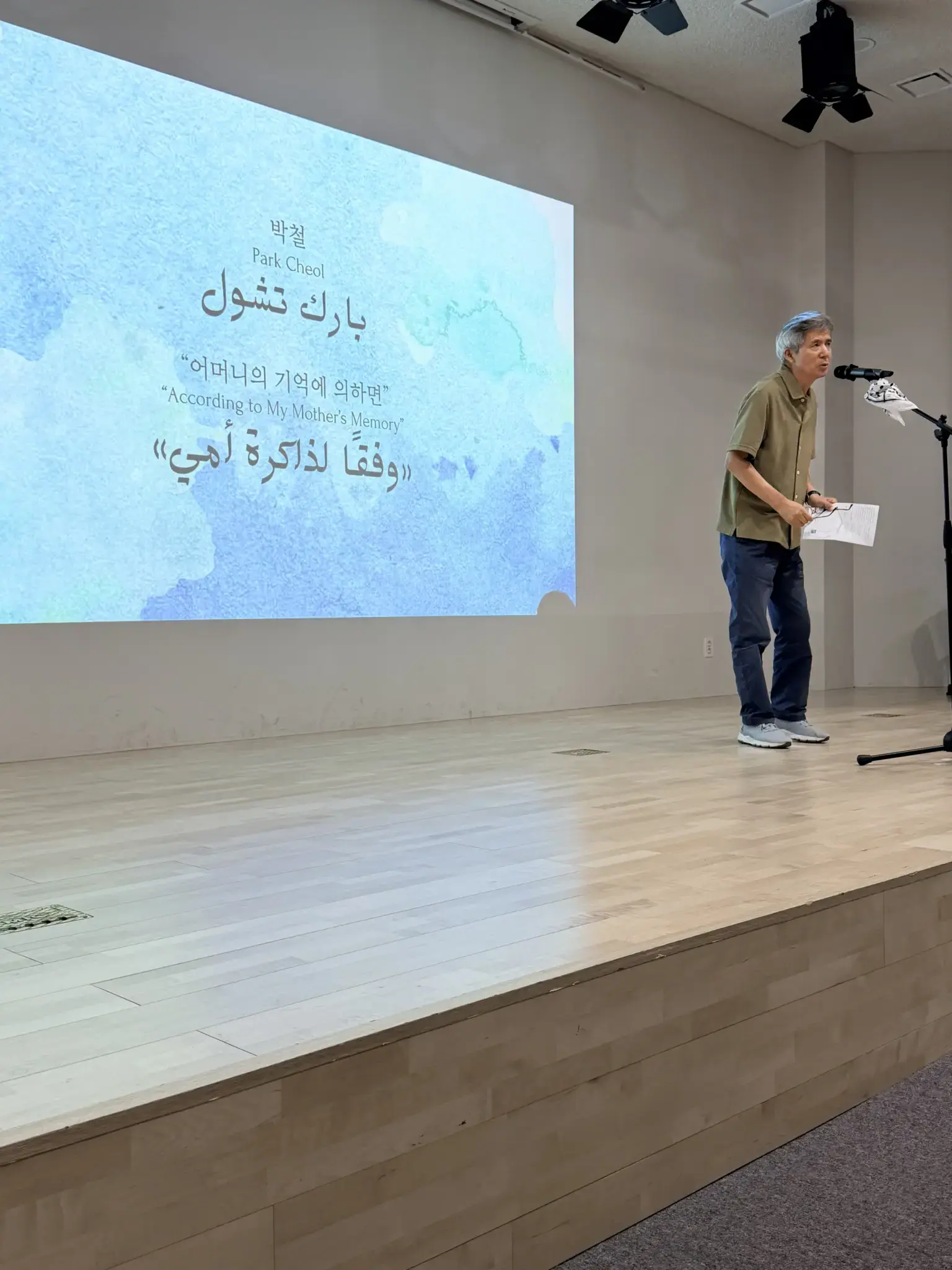
Title: According to My Mother’s Memory | Author: Park Cheol | Read by: Poet Park Cheol
According to My Mother’s Memory
Park Cheol
There has never been a world without war
There has never been a time when the taking of life ceased in order to end war
Nor have words that kill peace for the sake of peace ever disappeared
So, my friend
Today, let us think only of the look in our mother’s eyes
According to my mother’s memory
while flesh was torn and blood was flowing
there was no room for any thought
We did not know what was coming, from where, or why
We did not know why we had to die like this
The problem is what comes afterward
Look at me, my son, have I not turned to stone
Did I not become stone and give birth to you
I gave birth to you bearing all the slaughter and shock and fear I had endured
So how much more suffering and assertion
how many more rivers of blood must you be submerged in
According to my memory
killing is killing
once you die, you never return
a war that has begun never ends forever
As long as I live, my war will not end either
Before we can even say goodbye
before we can even say I love you
evaporating without anyone knowing—
where else in this world
where else in the universe is there such a foolish animal
I became such a fool
According to my memory, we
are under a spell in which fools give birth to fools and fools give birth to fools
But also, according to my mother’s memory
there has never been a spell that cannot be broken
Someday we will wake from this nightmare too
Only then will a child become a child
and a mother become a mother
the irises holding their breath by the yard
and the blackened snowbell tree will come back to life
So please, until that day
my friend, Palestine, may you be well
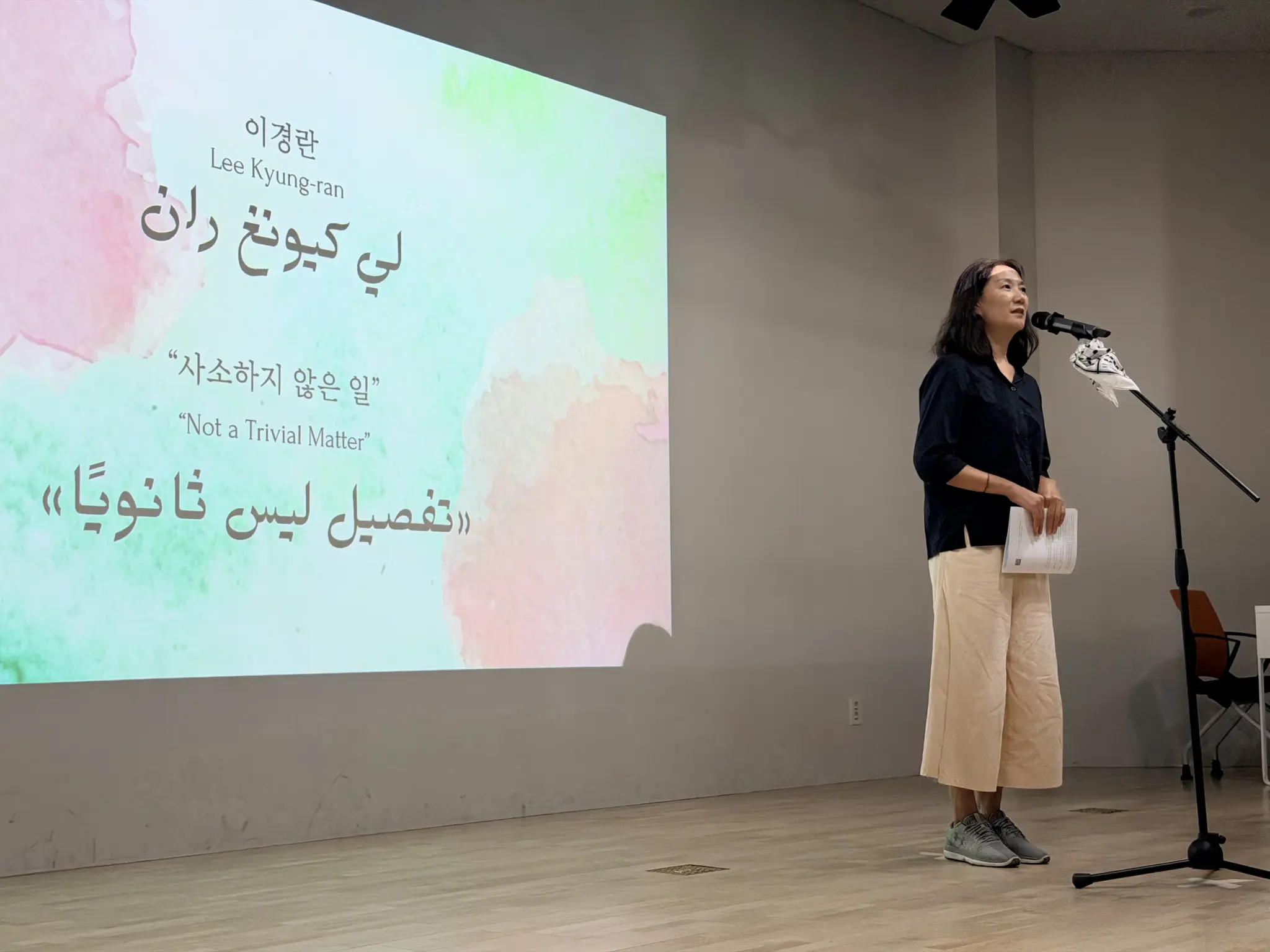
Title: Not a Minor Detail | Author: Lee Kyung-ran | Read by: Novelist Lee Kyung-ran
Not a Minor Detail
Lee Kyung-ran
Here is a woman traveling a perilous road. She is Palestinian and lives in Ramallah. Her destinations are Tel Aviv and the northwestern Negev. There are museums and archives there. A journey that would take only an hour or two by car, however, is anything but simple. It is a journey toward the truth of an event she wants to verify.
Living in a restricted area, she borrows a credit card and an identity card from a colleague and sets off by car. The event in question took place exactly twenty-five years before the day she was born: a girl was gang-raped and murdered by Israeli soldiers and then buried in the desert. It happened in 1949, one year after the war that Palestinians mourn as “al-Nakba (the Catastrophe)” and Israelis celebrate as the War of Independence. This is the story of Minor Detail (translated into Korean by Jeon Seung-hee, published by Kang), a novel by Adania Shibli, a writer and cultural researcher born in Galilee, Palestine.
Part One of the novel deals with the girl’s case. The platoon commander, the perpetrator, is a man who rigorously maintains discipline and cleanliness, and the detailed descriptions centered on him lead the reader to empathize with him as the story progresses. Yet the man, so obsessed with hygiene that he disinfects the victimized girl with gasoline, suddenly turns into a merciless perpetrator, leaving the reader bewildered. The reader is caught defenseless by the tremendous violence and tragedy that occur after all the “minor details” he has meticulously maintained. In Part Two, we follow “I” on her dangerous journey with a persistent sense of anxiety, only to witness an ending in which “I,” still unable to reach her destination even after the day has changed, is killed by an Israeli soldier’s gunfire.
The author was scheduled to receive the LiBeraturpreis at the Frankfurt Book Fair in October 2023. However, after the outbreak of the Israel-Hamas war in the Gaza Strip, the book fair declared its solidarity with Israel and postponed the award ceremony. The work was described as antisemitic by a German critic.
The Gaza Strip, once called the largest prison on Earth, is now no longer merely a prison. It is no longer only a place where freedom is constrained; it has become a place where “death” and “not yet dead” coexist.
In an interview, the author said that even a goat recognizes when one of its fellows is being taken to the slaughterhouse. How, then, she asked, could human beings not know? We know. Even if we cannot know immediately, someday later generations will know. And the same thing happens again. It is not unfamiliar. The long history of repetition has taught us, layer by layer. It is not a minor detail.
Readings by Palestinians Living in Korea
In Jerusalem | Tamim Al-Barghouti [Read by a Palestinian from Gaza]
In Jerusalem
We passed by the house of the Beloved, but we were turned away
From the house by the enemy’s law and its wall.
So I said to myself, perhaps it is a blessing:
For what would you see in Jerusalem when you visit it?
You would see all that you cannot bear to endure,
When its houses appear from the side of the road.
Not every soul is rejoiced upon meeting its beloved,
Nor does every absence cause it harm.
For if meeting before parting brought it joy,
That joy was never guaranteed to last.
Once you behold Ancient Jerusalem even for a moment,
Your eyes will see it wherever you turn.
In Jerusalem, a greengrocer from Georgia, weary of his wife,
Ponders taking a holiday or painting his house.
In Jerusalem, there is a Torah and an old man from Upper Manhattan,
Teaching the precepts of law to youths from Poland.
In Jerusalem, an Ethiopian policeman closes an alley in the market…
A submachine gun on a settler not yet twenty,
A skullcap nodding in reverence toward the Wailing Wall.
Blonde European tourists see nothing of Jerusalem at all;
You see them taking photos of each other
Beside a woman selling radishes in the plazas all day long.
In Jerusalem, soldiers tread as if walking over the clouds.
In Jerusalem, we prayed on the asphalt…
In Jerusalem, who is in Jerusalem but you!
The Martyr | Abd Al-Rahim Mahmoud [Read by a Palestinian from Gaza]
The Martyr
I shall carry my soul upon the palm of my hand
And hurl it into the abysses of death.
For it is either a life that pleases a friend,
Or a death that enrages the enemy.
The soul of the noble man has two goals:
To meet death or to attain his desire.
And what is life? I would not live if I were not
Feared in presence, my sanctuary inviolable.
When I speak, the world listens,
And my words echo among all mankind.
By your life! I see my own downfall ahead,
Yet I quicken my stride toward it.
I see my death in defense of my stolen right,
And in defense of my homeland—that is my ultimate wish.
With my heart, I shall strike the faces of the enemy,
For my heart is iron, and my fire a blazing flame.
I shall guard my sanctuary with the edge of the sword,
So my people may know that I am the valiant youth.
There Are Things in This Land Worth Living For | Mahmoud Darwish [Read by a Palestinian from Gaza]
There Are Things in This Land Worth Living For
On this earth, there is that which is worth living for:
The hesitation of April, the scent of bread at dawn,
A woman’s opinions on men,
Grass on a stone,
Mothers standing on the thread of a flute,
And the invaders’ fear of memories.
On this earth, there is that which is worth living for:
The end of April, the mistress of the earth,
Mother of beginnings, mother of endings…
It used to be named Palestine. It came to be named Palestine.
My Lady: I am worthy, because you are my Lady, I am worthy of life!
Men in the Sun | Ghassan Kanafani [Read by: Muntaha]
Men in the Sun
As darkness fell, Abul Khaizuran drove his lorry away from the sleeping city. Pale lights trembled along the side of the road, and he knew that those lampposts that were retreating in front of the win- dow would come to an end shortly, when he had left the city far be- hind him. The darkness would be unbroken. The night was moon- less, and the edge of the desert would be silent as the grave.
He turned his lorry off the asphalt road and drove along a sandy track that led into the desert. He had made up his mind at noon to bury them, one by one, in three graves. Now he felt con- sumed with exhaustion, as though a drug had been injected into his arms. He had no strength to work, and he wouldn’t be capable of wielding a spade for long hours to dig three graves. Before he went to take his lorry out of Haj Rida’s garage, he told himself that he wouldn’t bury them. He would throw the three corpses into the desert and return home. But now he wasn’t pleased with the idea. He didn’t like to think that his companions’ bodies should be lost in the desert, at the mercy of birds and beasts of prey, and that there would be nothing left of them after a few days except white bones lying on the sand.
The lorry moved over the sandy track with a muted noise, while he went on thinking. He wasn’t thinking in the strict sense of the term, but a series of disconnected scenes was passing ceaselessly through his brain, incoherent and inexplicable. He could sense ex- haustion creeping through his limbs like straight columns of ants.
A breeze sprang up and carried to his nostrils a smell of putre- faction. He said to himself: “The municipality piles up the rubbish here.” Then he reflected: “If I dumped the bodies here they would be discovered in the morning and buried under official auspices.” He turned his steering wheel and followed the tracks of many wheels that had dug their path through the sand before him, and then he switched off the headlamps, advancing slowly by the light of the side-lamps alone. When the black heaps of rubbish rose up in front of him, he switched off the side lamps. The air around him filled with the putrid stench, but he soon got used to it. Then he stopped his lorry and climbed down.
Abul Khaizuran stood beside his lorry for a few moments to make sure that no one was watching him, then he climbed up onto the back of the tank. It was cold and damp. He turned the curved metal handle slowly and pulled the iron disk up so that it burst open with a sharp explosion. Supporting himself on his arms, he slid lightly down inside. The first corpse was cold and firm, and he tossed it over his shoulder. He pushed the head out of the opening first and then, holding the corpse by its legs, he lifted it and threw it upwards, hearing the heavy sound it made as it slid over the edge of the tank, and the muffled bump as it struck the sand. He had great difficulty in prising the hands of the other corpse away from the iron support, but then he pulled it by its legs to the opening and threw it out over his shoulder, straight and stiff. He heard it strike the earth. The third corpse was easier than either of its companions. He jumped down, slowly closed the opening, and climbed down the ladder to the ground. There was thick darkness everywhere, and he was relieved that he would be saved by it from seeing the faces. Holding them by their feet, he dragged the corpses one by one and threw them onto the end of the road, where the municipal- ity’s dustcarts usually stopped to dump their rubbish, so that the first driver arriving in the morning would easily have an opportu-
nity to see them.
He climbed into his seat, turned on the engine and slowly re- versed, trying his utmost to mingle the tracks of his lorry’s wheels with those of others. He had decided to drive back to the main road
in reverse, in order to confuse the traces completely. But a thought occurred to him when he had covered some distance, and he switched off the engine again, walked back to where he had left the bodies, and took the money from their pockets. He also removed Marwan’s watch. Then he retraced his steps to the lorry, walking on the edge of his soles.
As he returned to the lorry and lifted one leg up, a sudden thought flashed into his mind. He stood rigid in his place, trying to do or say something. He thought of shouting, but immediately realized what a stupid idea that was. He tried to finish climbing into the lorry, but didn’t feel strong enough. He thought that his head would explode. All the exhaustion which he felt suddenly rose to his head and began to hum in it, and so he put his head in his hands and began to pull his hair to expel the thought. But it was still there, huge and resounding, unshakeable and inescapable. He turned to look back to where he had left the corpses, but he could see nothing, and that glance simply set the thought ablaze so that it began to burn in his mind. All at once he could no longer keep it within his head, and he dropped his hands to his sides and stared into the darkness with his eyes wide open.
The thought slipped from his mind and ran onto his tongue: “Why didn’t they knock on the sides of the tank?” He turned right round once, but he was afraid he would fall, so he climbed into his seat and leaned his head on the wheel.
“Why didn’t you knock on the sides of the tank? Why didn’t you say anything? Why?”
The desert suddenly began to send back the echo:
“Why didn’t you knock on the sides of the tank? Why didn’t you bang the sides of the tank? Why? Why? Why?”
Pictured by 김동욱 @kimdongwook.translator